If your hair feels dry, frizzy, dull, or rough at the ends, macadamia oil is one of the simplest natural swaps to try before buying another expensive mask or serum filled with chemicals. It is rich in omega fatty acids, absorbs fast, and gives hair a soft, shiny finish without needing a long ingredient list.
Key Takeaways
- Macadamia oil is rich in omega-7, omega-9, squalene, antioxidants, tocols, and tocotrienols, making it uniquely powerful for dry hair and damaged ends.
- Macadamia natural oil, also called macadamia nut oil, can replace many expensive styling serums, masks, and shine sprays with toxic ingredients.
- It is not particularly comedogenic for most people, but oily scalps, acne-prone skin, or very fine roots should use it carefully.
- A little goes a long way: 1–3 drops as a leave-in, or up to 0.2 fl oz in a DIY blend, is usually enough to avoid greasy hair.
- Use Oasis app or Yuka to check store-bought products; including “macadamia” treatments as many contain silicones and synthetic fragrance.
What Is Macadamia Natural Oil?
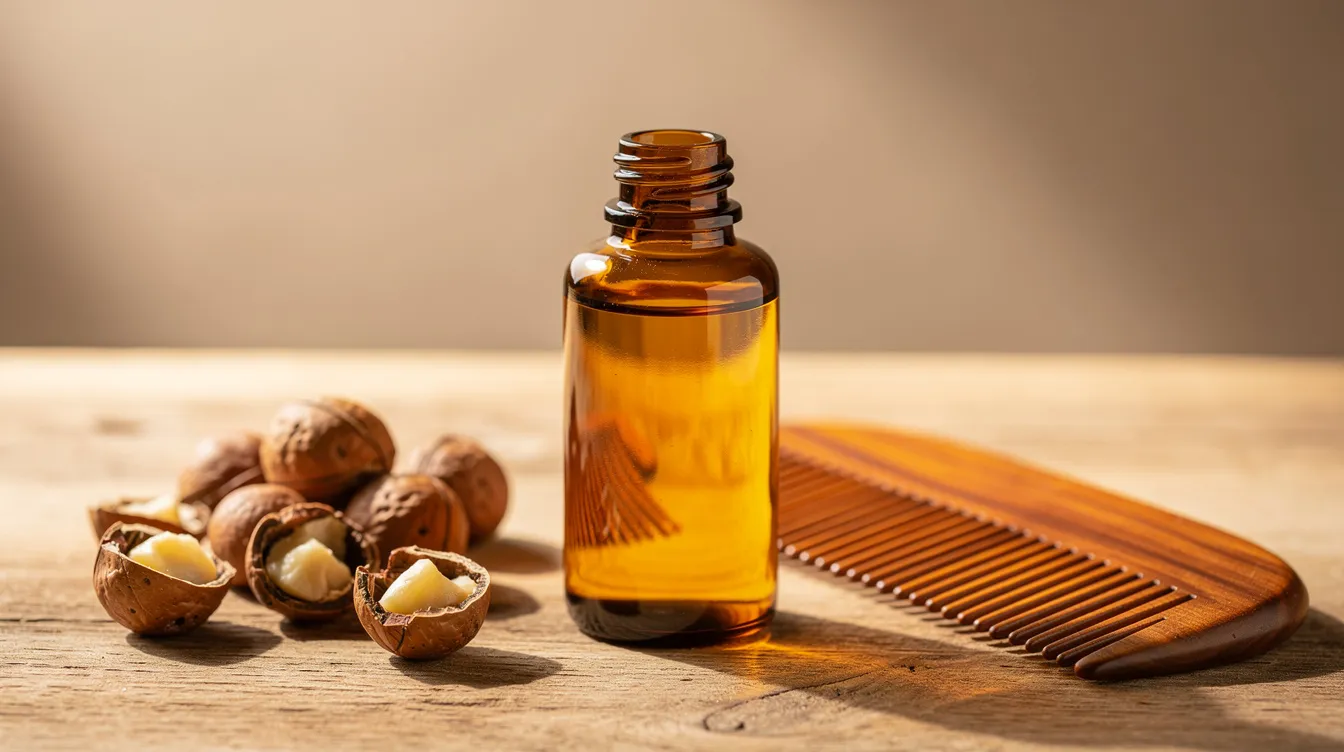
Macadamia oil is a cold-pressed oil made from macadamia nuts, mainly grown in South Africa, Australia, and Hawaii. It has long been used as both a beauty oil and a food oil.
Macadamia oil, macadamia nut oil, and macadamia natural oil all refer to oil pressed from the nut. It is pale golden, light to medium in texture, silky on the fingers, and has a faint nutty smell that disappears quickly on hair.
- Monounsaturated fatty acids make up about 80-85% of macadamia oil, primarily consisting of oleic acid and palmitoleic acid.
- It is high in oleic acid, or omega-9, and palmitoleic acid, or omega-7, and naturally contains squalene and antioxidants.
- Macadamia oil is a calorie-dense oil containing approximately 120 calories and 14 grams of total fat per tablespoon.
- Macadamia oil has a smoke point of 410°F to 450°F, or 210°C, remaining stable at temperatures that cause olive oil or butter to burn and oxidize.
- Macadamia oil is an excellent substitute for traditional vegetable oils in everyday cooking, baking, and salad dressings.
- Macadamia nut oil has a light, buttery flavor that enhances pasta, homemade mayonnaise, salad dressings, stir-frying, and sautéing.
Why Macadamia Oil Is So Good for Dry Hair
Macadamia oil has been shown to deeply nourish and hydrate dry, damaged hair, making it a popular choice in hair care products. It closely mimics natural scalp oils, so it works especially well on dry hair, long hair, porous hair, and color-treated ends.
Core benefits:
- Deep moisturizing for dryness without a heavy waxy feel.
- Better slip, so hair detangles more easily after conditioner.
- Frizz control and enhanced shine, resulting in smoother, healthier-looking hair.
- Help with split ends by reducing friction and breakage.
- Omega-7 helps mimic sebum and smooth the cuticle, especially after heat styling or color.
- The oil contains essential fatty acids, including omega-7, which help to improve hair elasticity and reduce breakage. Because it is stable at room temperature, it suits regular routines over many days. If your hair is fine or low porosity, start with 1–2 drops; too much over time can make it greasy.
The Science: Omega‑7, Omega‑9, and Squalene in Macadamia Oil
This is where macadamia oil gets interesting. Many expensive masks advertise the same “active” ingredients already found in this single oil. A 2026 food science review notes that macadamia quality depends on cultivar, extraction, and storage.
- Omega-7, or palmitoleic acid, is rare in most plant oils, supports softness and flexibility of the hair shaft, and is known for omega-7 beauty supplements.
- Research indicates that omega-7 fatty acids can enhance skin vitality by reducing inflammation and stimulating collagen regeneration, which may help combat skin aging.
- Omega-7 fatty acids, particularly palmitoleic acid, help regulate insulin sensitivity and lower inflammation, which can aid in managing blood sugar levels and reducing the risk of type II diabetes.
- Omega-7 fatty acids are known to maintain healthy cholesterol levels by decreasing LDL cholesterol and increasing HDL cholesterol, promoting cardiovascular health.
- Omega-9, or oleic acid, helps soften dry hair, boosts manageability, prevents water loss, and is a hero ingredient in products like Rahua’s omega-9 mask.
- Squalene is naturally present in skin and scalp lipids; luxury serums often use isolated squalane, while macadamia oil offers it in whole-oil form.
- Packed with specialized forms of vitamin E, tocotrienols, and polyphenols, macadamia oil serves as an aggressive scavenger against free radicals.
- Macadamia oil is rich in cellular-protecting antioxidants, specifically tocols and tocotrienols, which help neutralize free radicals.
With pure oil, you know every component. With commercial formulas, ingredients can include silicones, PEGs, and synthetic fragrance.
Macadamia Oil vs. Conventional Hair Products
Many “macadamia” hair products are really silicone serums with a tiny amount of oil added for marketing. If you scan a 4.2 fl oz salon treatment in the Oasis app you may find dimethicone, fragrance, and other ingredients before the actual macadamia.
Pure cold-pressed macadamia nut oil is usually a cleaner choice. A 4–8 fl oz bottle can last months, especially if you use only drops. If you bought in past a pricey shine spray and noticed that plain oil makes hair look silky with fewer unnecessary ingredients, that is why.
You do not need complex lab products to get a salon-like finish. Water, a simple leave-in, and a few drops of oil can work effectively, and knowing the formula helps you choose simpler products.
How to Use Macadamia Oil on Hair and 4.2 fl oz Sizing
Use in order of need:
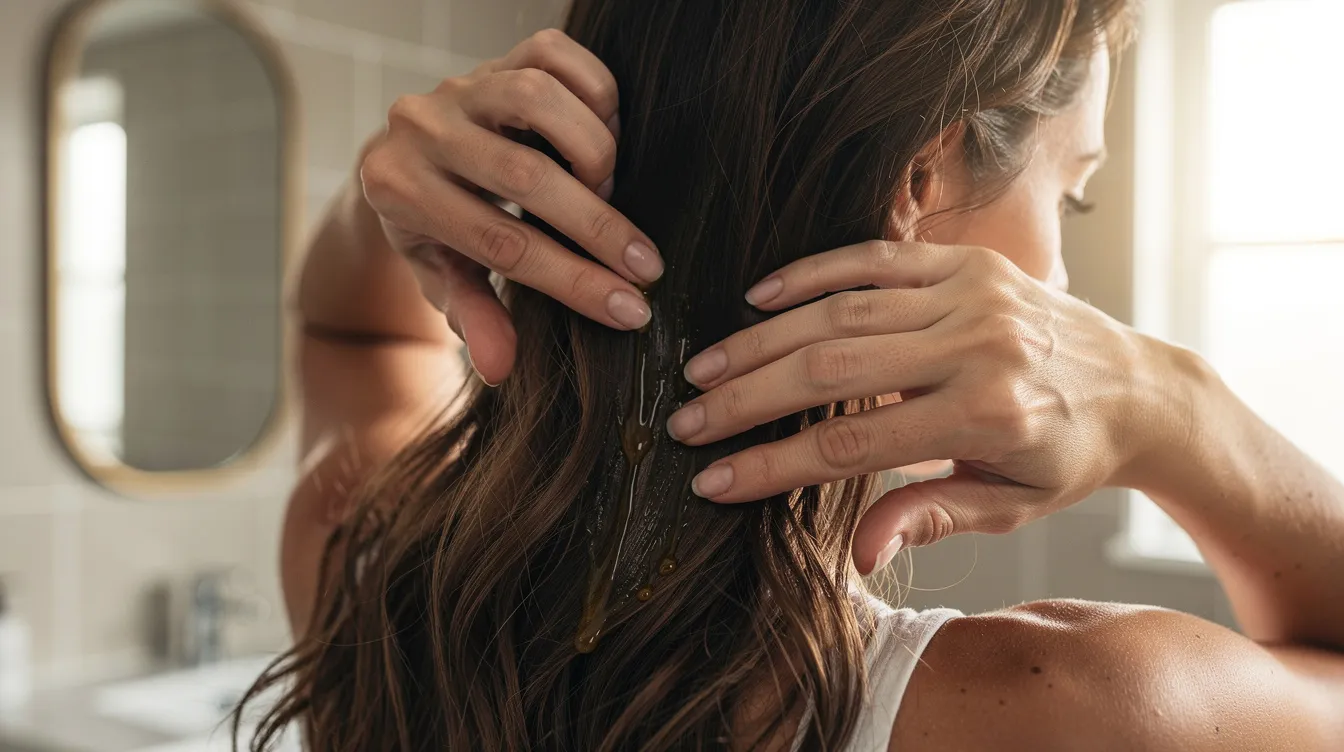
- Pre-shampoo: apply 0.05–0.1 fl oz from mid-lengths to ends 30–60 minutes before washing.
- Leave-in: after washing, rub 1–3 drops between palms and smooth over damp lengths.
- Curly or coily hair: apply water-based leave-in or aloe, then seal each section with a thin layer.
- Scalp: some people love an occasional diluted massage, to stimulate hair follicles and moisturize the scalp.
- A 4.2 fl oz bottle can last many months when used this way.
DIY Recipes with Macadamia Nut Oil
Home recipes help avoid synthetic fragrance, drying alcohols, and questionable preservatives.
- Overnight mask: mix macadamia oil with jojoba oil, add rosemary oil if suitable, apply to lengths, braid, wash out.
- Moisturizing mist: combine distilled water, a small amount of oil, and a natural emulsifier in a spray bottle.
- Rich dry hair treatment: blend macadamia oil, aloe vera gel, and honey; apply from ears down for 20–30 minutes.
- Protein-style mask: mix with rice water, egg, or yoghurt, then rinse well.
Patch-test first. Avoid essential oils on children, pregnant people without medical advice, and very sensitive scalps.
Macadamia Oil and Scalp & Skin: Comedogenic Concerns
Comedogenic means likely to clog pores. Macadamia oil is often called non-comedogenic and provides intense moisture without clogging pores for most skin types, but ratings can vary by person.
- It is ideal for ends and lengths for frequent use.
- It is not particularly comedogenic, so it can be used on the scalp occasionally or mixed into masks.
- People with oily scalps, skin conditions, or very fine roots may prefer using it below the ears.
- Track reactions in a simple hair journal for a week or two.
Do not be persuaded into buying an expensive hair branded oil. A high quality macadamia oil for cooking decanted into a little dripper bottle is the best economical trick. You keep the larger bottle for refilling or kitchen uses.
How to Choose a Good Oil (Reading Labels)
Not all macadamia products are equal.
- Look for “100% macadamia nut oil,” “cold-pressed,” and “unrefined.” Ideally choose third-party lab tested oil, so you know it is pure and not high in heavy metals or pesticides. (here is a 3rd-party lab tested Extra Virgin macadamia oil)
- Be careful with cosmetic-marketed macadamia natural oil products as, some are blended styling oils with silicones.
- Food-grade oil from a reputable brand is usually perfect for hair if fresh.
- Dark glass or opaque packaging protects benefits better than clear plastic in a sunny bathroom.
Storage, Shelf Life, and Safety
Natural oils can go rancid. Due to its unique oxidative stability, macadamia oil can last up to two years when stored properly, though a safe guide is 12–18 months unopened and 6–12 months after opening.
Store it tightly capped in a cool cupboard, not near heat. Check for a sharp, sour, paint-like smell, darker color, odd texture, or irritation. Discard rancid oil immediately. If your best-by date says september, use your senses too.
Anyone with a tree-nut allergy should ask a healthcare professional and patch-test before using it on the scalp or skin.
FAQ
Can I use macadamia oil on color‑treated hair every week?
Yes. Weekly use as a pre-shampoo or mid-length treatment is generally safe and can reduce dryness. Avoid heavy oiling right before a salon color appointment because it may affect dye uptake.
Is macadamia oil better than argan oil for dry hair?
Both are excellent, but macadamia oil is richer in oleic acid and has omega-7, giving it an edge for very dry or damaged hair.
Can I put macadamia oil on my face as well as my hair?
Macadamia oil is moderate to low comedogenic, so it can be good for skin. In skincare, macadamia oil is often called a “vanishing oil” because it closely mimics human sebum, allowing it to absorb rapidly without leaving a greasy residue. High levels of oleic acid prevent water loss and deeply moisturize dry, flaky skin. It also softens dry, chapped skin and prevents moisture loss. Try a few drops with glycerine or add some to a bath for silkier skin.
Does macadamia oil protect hair from heat styling?
It reduces friction and moisture loss, but it is not a true heat protectant. Use it for hair health and keep heat tools on the lowest effective level.
Can I cook with the same macadamia nut oil I use on my hair?
Yes. Macadamia nut oil is considered a heart-healthy oil due to its high content of monounsaturated fats, which can be beneficial for cardiovascular health. It also has one of the lowest omega-6 counts, restoring a balanced internal environment and is linked to lower inflammatory markers. For hygiene, keep one small bathroom bottle and one kitchen bottle.