Key Takeaways
- Peanut butter, despite its high protein content, can contribute to bloating, inflammation, and skin issues.
- Macadamia nut butter is one of the lowest-antinutrient nut butters available, making it gentler on digestion. It's also very low in inflammatory omega-6 linoleic acid.
- Macadamia butter’s high monounsaturated fat and omega-7 content are linked to heart health, skin health, and weight management.
- Calories between the two are similar (roughly 190-220 per serving), but macadamia butter offers a more anti-inflammatory, metabolism-friendly fat profile.
- Swapping peanut butter for macadamia nut butter is a simple dietary change that may improve digestion, reduce skin breakouts, and support metabolic health.
Why Peanut Butter Isn’t The Health Food You Think It Is
Peanut butter has enjoyed a decades-long reputation as a clean protein source and fitness staple. It shows up in smoothies, on rice cakes, and in countless “healthy” recipes. But this health halo may be masking some real downsides.
Two tablespoons of natural peanut butter (around 32g) deliver about 8g of protein, which sounds great. However, that same serving also packs a significant dose of omega-6 linoleic acid and antinutrients that many people overlook. For those eating peanut butter daily (on toast, in smoothies, as a snack right out the jar) these compounds accumulate.
Most people think the peanut butter is bad for you because of added sugar and seed oils, but even sugar-free peanut butter with no additives is not the healthiest nut butter choice.
The main concerns with natural peanut butter consumption include:
-
Digestive discomfort: Bloating, gas, and cramping from antinutrient content
-
Chronic low-grade inflammation: From excessive omega-6 fatty acid intake
-
Potential skin issues: Acne and redness in susceptible individuals
-
Skewed fat intake: Contributing to an already omega-6-heavy Western diet
While almond butter is not the ideal swap given its high oxalate count, macadamia nut butter offers a different path. One that supports long-term metabolic, gut, and skin health without the inflammatory baggage.

Antinutrients In Peanuts: What They Are And How They Cause Bloating
Antinutrients are natural plant compounds that interfere with digestion or nutrient absorption. They’re essentially a plant’s defense mechanism against pests and pathogens. While they won’t harm most people in small amounts, consistent high intake can cause problems.
Peanuts contain relatively high levels of two key antinutrients:
-
Lectins: Proteins that can bind to the gut lining, potentially causing irritation, fullness, distension, and discomfort
-
Oxalates (oxalic acid): Compounds that bind minerals like calcium and may contribute to calcium oxalate kidney stones in susceptible individuals
For those following a low oxalate diet or working on preventing kidney stones, peanut butter’s oxalate content becomes particularly relevant. High oxalate foods can stress the urinary tract and increase stone risk when consumed in large amounts.
Regularly eating peanut butter throughout the day keeps antinutrient exposure consistently elevated.
Macadamia nuts, by contrast, are among the lowest in antinutrients (lectins, oxalates, phytates) of any commonly eaten nut. This makes macadamia nut butter one of the gentlest options for people who want the benefits of a creamy spread without the digestive trade-offs. Those seeking low oxalate foods will find macadamias a much safer choice than peanuts or even almond butter.
Omega-6 Overload: Why Peanut Butter Can Be Inflammatory
Understanding fat types matters for this conversation:
-
Omega-6 fatty acids (especially linoleic acid): Polyunsaturated fats the body needs in small amounts, but which promote inflammation when overconsumed
-
Omega-3 fatty acids: Anti-inflammatory fats that balance omega-6s
-
Omega-7 fatty acids: A lesser-known group linked to skin health and metabolic function
-
Monounsaturated fats: Heart-healthy fats found abundantly in olive oil and macadamias
The typical Western diet is already saturated with omega-6 fats from seed oils (soybean oil, canola oil, sunflower seeds oil, corn oil) and hydrogenated vegetable oils found in processed foods. Peanuts and peanut oil are naturally rich in omega-6 linoleic acid, adding to this existing dietary overload.
Research shows that chronic excess omega-6, especially when not balanced by omega-3s, is associated with higher levels of inflammatory markers. This may relate to issues like joint pain, skin irritation, and metabolic problems.
Macadamia nuts are extremely low in omega-6 and very high in monounsaturated fats, more similar to extra-virgin olive oil and avocado than to typical nut butters. Swapping a daily serving of peanut butter for macadamia nut butter is a simple way to reduce your omega-6 load without changing calorie intake.
Protein Vs. Side Effects: Why “Highest Protein” Isn’t Always Better
Nutrition is more than just counting protein grams or "protein maxxing". Context matters, and so does what comes packaged with that protein.
Peanut butter is often praised as the “highest protein nut butter,” and this is accurate: roasted peanuts deliver about 24g of protein per 100g compared to macadamia’s 8g. But consider what accompanies that protein:
- High lectin and oxalate content
- Elevated omega-6 linoleic acid
- Added sugars and industrial oils in many commercial brands
- Potential digestive distress for sensitive individuals
For some people, the cost of this protein includes increased bloating, gas, and possible systemic inflammation. The truth is, most people can meet their protein needs from diverse sources like eggs, fish, meat, dairy, or cooked lentils without relying on peanut butter as a primary protein.
Macadamia nut butter is slightly lower in protein but significantly higher in digestion-friendly, heart-healthy fats. This makes it a better daily staple for those prioritizing gut comfort and metabolic health. Our crunchy macadamia butter has 2x more protein than other macadamia nut butters, boosted by pure macadamia protein. (Get 15% off at checkout with code blog15)
Those wanting more protein can pair macadamia nut butter with Greek yogurt, grass-fed collagen powder, or quality protein shakes.
Peanut Butter, Skin Health, And Breakouts
The connection between diet, inflammation, and skin is gaining more research attention. While more research is needed for definitive conclusions, many people report worsening acne, redness, or breakouts when their diet is high in inflammatory fats and certain trigger foods.
Here’s how peanut butter may affect your skin:
-
High omega-6 content: Tilts the body toward a more inflammatory state, potentially aggravating conditions like acne or eczema
-
Added sugars: Disrupt blood sugar, which matters significantly for skin health
-
Hydrogenated vegetable oils: Found in many commercial brands, these can further fuel inflammation
Macadamia nut butter sidesteps these issues. When minimally processed, it’s naturally free from added sugars and seed oils, and extremely low in omega-6. Check the label for just 2 ingredients (macadamia nuts and sea salt). Even better, macadamias contain omega-7 fatty acids (palmitoleic acid) linked to skin barrier support, hydration, and even natural collagen production pathways.
A simple experiment: Remove peanut butter for 4-6 weeks, replace it with macadamia nut butter, and observe any changes in skin clarity or breakouts.
Macadamia Nut Butter: Nutritional Profile And Key Benefits
Macadamia nut butter is made from ground macadamia nuts, often lightly roasted, resulting in a naturally sweet, buttery flavor and smooth texture. It’s positioned as a premium alternative for those prioritizing health over convenience or price.
Per 2-tablespoon serving, macadamia butter is calorie-comparable to peanut butter but with a dramatically different nutritional profile:
-
Highest in monounsaturated fats: Similar to olive oil and more than avocado, supporting cholesterol levels and heart health
-
Lowest antinutrient content: Among tree nuts, supporting calmer digestion (compare to the hardest nuts to digest)
-
Extremely low omega-6: Ideal for reducing dietary inflammation
-
Rich in omega-7s: A rare source of these metabolism-supporting fats
-
Contains thiamin (vitamin B1): Plus manganese, magnesium, and copper for energy production
The health benefits of macadamia nut butter extend beyond what peanut butter can offer, despite similar calorie counts. It’s the quality of those calories that differs.
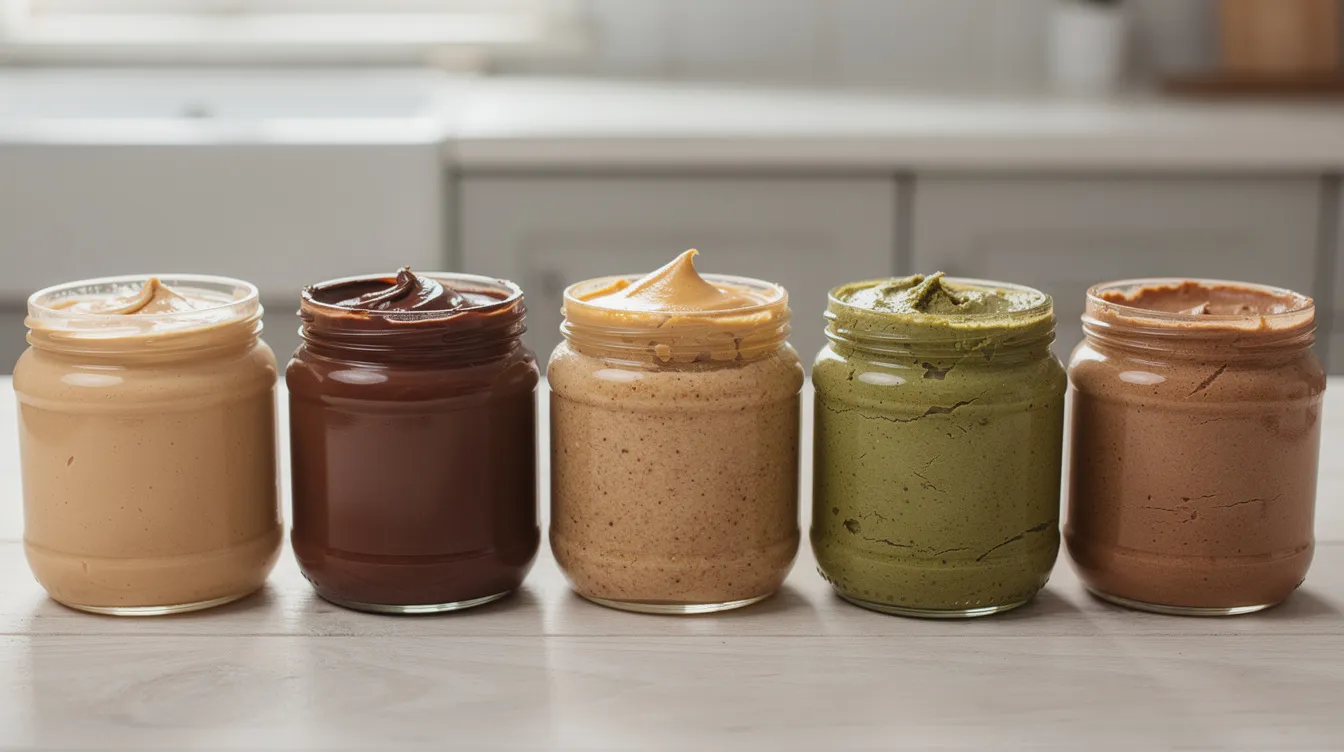
Read here for the healthiest nut butters ranked.
Macadamia Butter And Digestion: Why It’s Gentler On Your Gut
Gut comfort often comes down to food choices. For those with sensitive digestion, the wrong foods can mean hours of discomfort.
Why macadamia butter works better for digestion:
-
Low antinutrients: Less likely to trigger gas, bloating, or cramping compared to peanuts
-
High monounsaturated fat: Typically easier to digest and can stimulate gentle bile flow
-
Clean ingredients: Free from common gut offenders when you choose quality brands. No emulsifiers, hydrogenated oils, or excess sugar
-
No legume issues: Unlike peanuts (which are legumes, not tree nuts), macadamias don’t cause reactions in those sensitive to legumes
Those with IBS, specific dietary restrictions, or a history of reacting badly to legumes may find macadamia butter a better-tolerated choice.
Start with 1 tablespoon per day for sensitive individuals and gradually increase as tolerance is confirmed.
Macadamia Butter For Weight Management And Metabolic Health
Not all calories act the same in the body. Two foods with identical calorie counts can have vastly different metabolic effects.
Both peanut butter and macadamia butter are calorie-dense, but macadamia’s calories come mainly from monounsaturated and omega-7 fats and that distinction matters:
-
Monounsaturated fats: Associated with better insulin sensitivity, improved lipid profiles, and lower cardiometabolic disease risk
-
Omega-7s: Linked in emerging research to reduced fat storage in the liver and better handling of blood fats
-
Enhanced satiety: These fats help people feel full longer, reducing the urge to snack on sugary, processed foods
For weight loss goals, macadamia butter can fit into your plan even with similar calories to peanut butter. The key is portion awareness: measure out 1-2 tablespoons rather than eating straight from the jar.
Paired with a nutrient-dense diet including fruits, leafy greens, sweet potatoes, and quality proteins, macadamia butter supports metabolic health rather than undermining it.
How To Switch From Peanut Butter To Macadamia Nut Butter
Breaking a peanut butter habit takes intention. The taste and texture differ, so a gradual approach works best.
Step-by-step swap strategy:
- Replace peanut butter in one daily meal or snack for 1-2 weeks
- Keep peanut butter out of sight during this trial period
- Pay attention to changes in digestion, energy, and skin over 4-6 weeks
Concrete swap ideas:
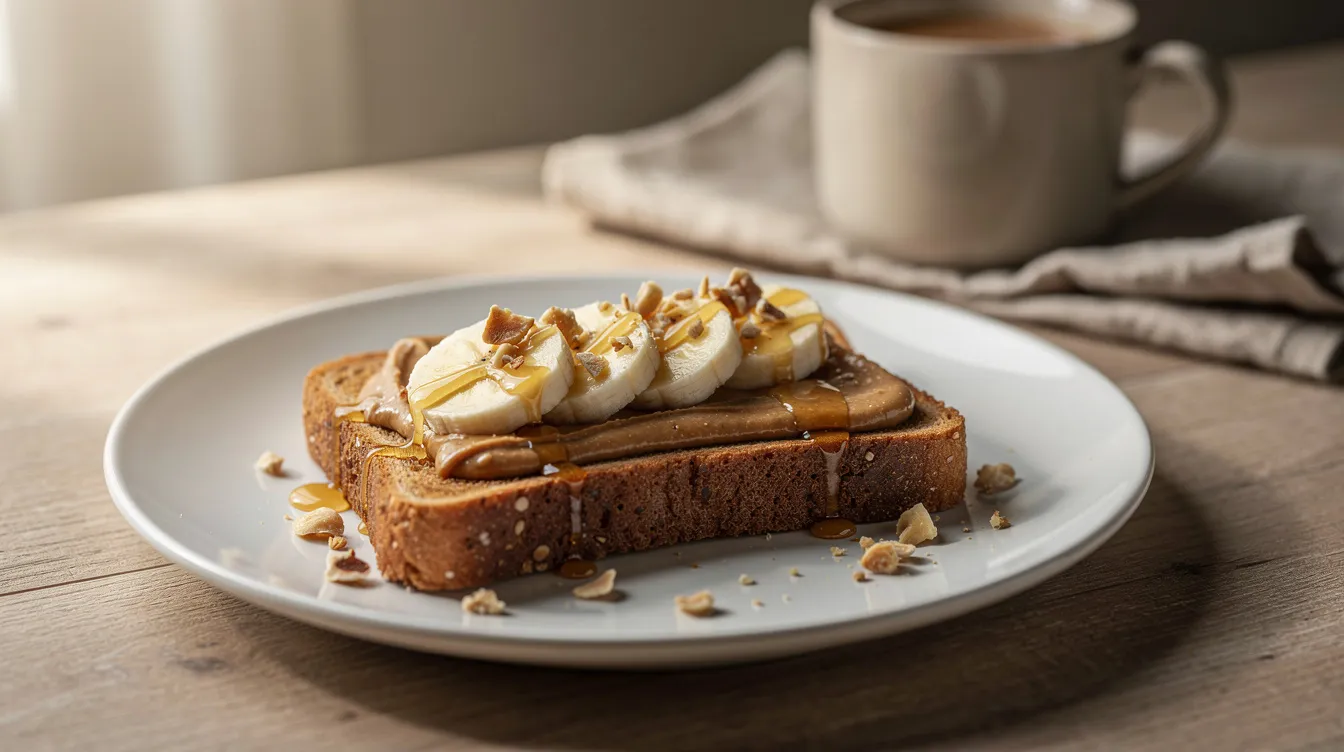
- Macadamia butter on sourdough toast with sliced banana and honey (a sprinkle of cinnamon is also delicious)
- Blended into berry smoothies for a creamy, mild flavor and superfood boost
- With Greek yogurt, berries or fruits, and a drizzle of honey
- Whisked into simple dressings with lemon and salt (you can even swap tahini with it for hummus)
When shopping at grocery stores, read labels carefully. Choose macadamia nut butters made only with macadamias and perhaps a pinch of sea salt. Avoid added sugars, other ingredients like palm oil, and seed oils that undermine the health benefits.
Choosing And Storing Macadamia Nut Butter
Quality matters when selecting any nut butter. The best macadamia nut butter is made from dry-roasted or raw macadamias with natural ingredients only: no added sugars, flavorings, or industrial seed oils.
What to look for on labels:
- “100% macadamias” or "Macadamias + sea salt"
- “No added oils”
- “No added sugar”
- Made in small batches (often indicates higher quality)
Flavor differences:
- Raw macadamia butter: Milder, subtle taste (you can even make this yourself with raw macadamias)
- Roasted macadamia butter: More aromatic, dessert-like flavor
Storage tips:
- Store opened jars in a cool, dry place if consuming quickly
- Refrigerate for longer shelf life and to prevent oils from going rancid
- Natural oil separation is normal for natural nut butters with no added stabilizer, just stir thoroughly before first use
- Store upside down to keep texture more uniform
Frequently Asked Questions
Is macadamia nut butter safe if I have a peanut allergy?
Peanuts are legumes, while macadamias are tree nuts, so a peanut allergy doesn’t automatically mean a macadamia allergy. Macadamias have one of the lowest percentages of people allergic to them. However, many people with peanut allergies also react to tree nuts, and cross-contamination can occur in shared facilities. Check labels for “processed in a facility with peanuts” warnings. If you have a history of severe reactions, consult an allergist before trying macadamia products.
Can I eat macadamia butter every day?
Most people can enjoy macadamia nut butter daily in moderate amounts (1-2 tablespoons per serving) as part of a balanced diet. It is calorie-dense, so those with weight management goals should account for it within their daily energy intake but the vitamins, minerals, and nutrients it provides make it a worthwhile daily addition for most people. Some even use macadamia oil or nut butter like a daily supplement for heart-health, metabolic health, and boosting natural collagen.
Is macadamia nut butter suitable for low-carb or keto diets?
Yes. Macadamia nut butter is naturally very low in carbohydrates and high in healthy fats, making it ideal for low-carb and ketogenic eating patterns. It contains roughly 4g of carbs per 100g, which is far lower than peanut butter’s 21g. Just verify your chosen brand has no added sugars or syrups, which could raise carbohydrate content and affect ketosis. It also works well for paleo diets, unlike peanut butter which is excluded as a legume.
Can children have macadamia nut butter instead of peanut butter?
For children without known nut allergies, macadamia nut butter can be a great source of nutrition once they’re safely eating other nuts. Introduce small amounts at home, not at daycare or school, and watch carefully for any allergic reaction signs. Respect school nut policies. For very young children, spread nut butters thinly or dilute with yogurt to reduce choking risk. The nutrition profile offers excellent fats for developing brains.
Does macadamia butter contain as many vitamins and minerals as peanut butter?
Peanut butter tends to be higher in certain nutrients like niacin, vitamin C, and potassium. Macadamia butter contains more calcium and thiamin. However, macadamia butter’s strength lies in superior fat quality rather than sheer mineral density. Its low antinutrient levels may actually support better overall mineral absorption from your entire diet. When you eat a varied diet with vegetables, proteins, and whole foods, macadamia butter’s micronutrient profile is more than sufficient and you avoid the limit oxalates concern that comes with high oxalate intake from peanuts.