When it comes to foods that support human longevity, macadamia nuts are amongst the foods at the top of the list. These buttery nuts have an unusual nutritional profile that science is only beginning to fully appreciate. Particularly their high omega-7 content, which early research links directly to skin elasticity and collagen production. For those following the science on aging well, macadamia nuts are one of the most impactful and beneficial superfoods that many longevity experts deem well worth the investment.
Key Takeaways
- Macadamias are tree nuts primarily cultivated in South Africa, where optimal climate and rainfall create ideal growing conditions. They’ve earned their reputation as a longevity food thanks to their exceptional concentration of monounsaturated fats and rare omega-7 palmitoleic acid - nutrients research connects to metabolic health, reduced inflammation, and visible anti-aging benefits.
- Macadamia nut oil contains around 80% monounsaturated fats (higher than olive oil at around 71%), plus one of the highest whole-food concentrations of omega-7 palmitoleic acid, which studies link to improved skin barrier function, moisture retention, and collagen support.
- Human and animal studies suggest benefits for total cholesterol reduction, blood sugar control, inflammation markers, and healthy weight management when eaten in moderation as part of a balanced diet.
- A 3-week study on healthy young Japanese women found that consuming just 10 grams of macadamia nuts daily significantly decreased total cholesterol and LDL cholesterol, with participants also experiencing reductions in body weight and BMI compared to groups consuming butter or coconut - directly connecting fat loss to longevity outcomes.
- The monounsaturated fats in macadamias have been linked to stimulating GLP-1 hormone production, which suppresses appetite and improves insulin sensitivity, functioning somewhat like a natural approach to what medications like semaglutide achieve.
- Alongside peptides and biohacking tools, diet quality and adequate sleep remain two of the most fundamental and attainable routes to anti-aging and longevity - macadamia nuts fit seamlessly into this foundational approach.
What Are Macadamia Nuts?
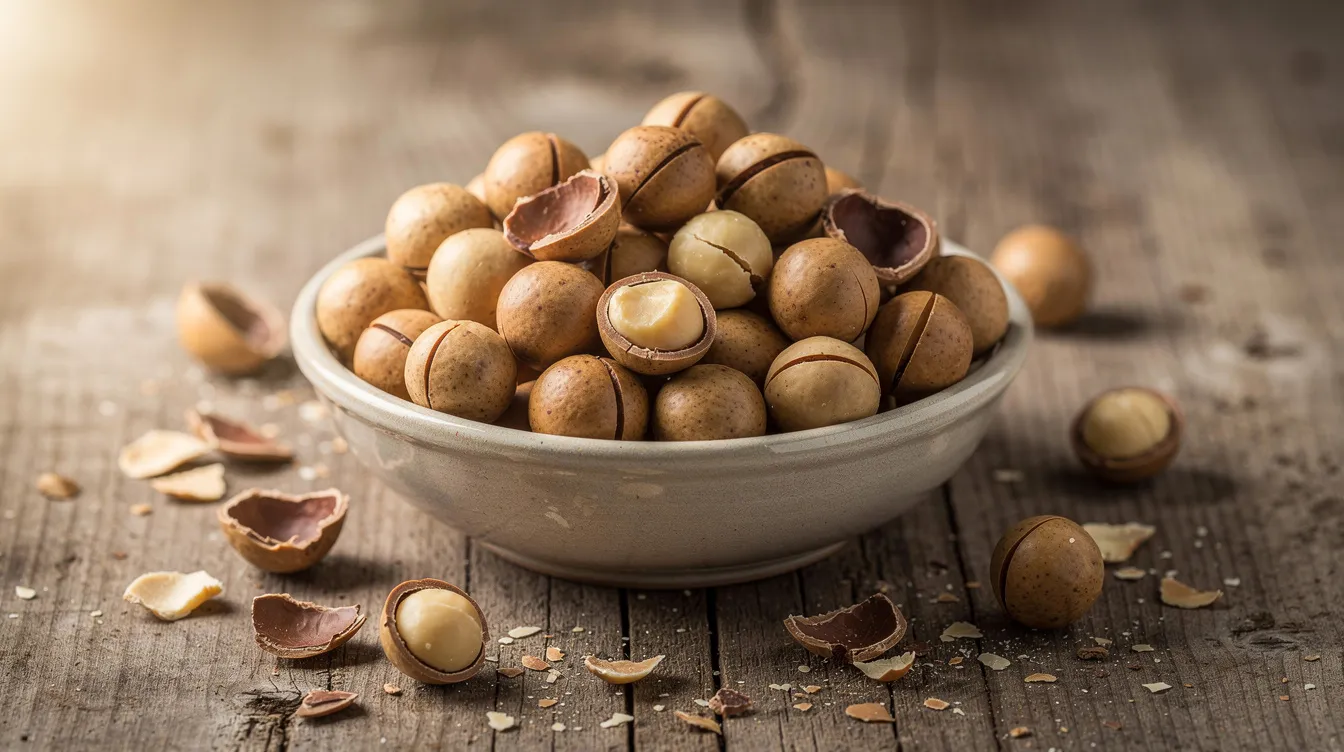
Macadamia nuts are silky, mildly sweet tree nuts prized for their rich, buttery flavor and creamy texture. Macadamia trees and commercial production are primarily in South Africa, Australia, and Hawaii, where subtropical climates with high rainfall and well-drained, mineral-rich soils produce the highest quality nuts.
- The macadamia tree produces nutrient-dense kernels encased in extremely hard shells - so hard they require industrial cracking equipment to open efficiently.
- These nuts are commonly sold as roasted macadamia nuts with sea salt added, raw for maximum nutrition retention, or as cold-pressed macadamia oil with a high smoke point ideal for cooking.
- Brands like House of Macadamias and Blueprint emphasize single-origin, third-party tested products to ensure freshness and quality.
- Visually, macadamia kernels appear as smooth, round ivory-colored nuts about 2-3 cm in diameter.
Macadamia Nuts Nutrition Profile
Macadamias are energy-dense but remarkably nutrient-rich, making each calorie remarkably good “bang for your buck” when it comes to delivering healthy fats, dietary fiber, and essential vitamins and minerals in a compact serving.
Per 1-oz (28g) serving (approximately 10-12 whole nuts):
-
Calories: ~200
-
Total fat: 21g (approximately 17g monounsaturated)
-
Protein: 2g
-
Fiber: 2-3g
-
Net carbs: Under 2g
Key micronutrients include:
-
Manganese: 58% daily value - crucial for bone formation, collagen synthesis, and the antioxidant enzyme superoxide dismutase
-
Thiamin (B1): 22% DV - supports energy metabolism and nerve function
-
Copper: 11% DV - essential for connective tissue health and iron absorption
-
Magnesium: 9% DV - supports muscle and nerve function plus bone density
-
Iron and Vitamin E: Smaller but meaningful amounts, including tocotrienols
What sets macadamias apart from other nuts is their unusually high monounsaturated fat content. While almonds contain about 65% monounsaturated fats and walnuts only 15%, macadamias reach 76-80% - closely mirroring olive oil (71% oleic acid) and avocados (70%).
-
Omega-7 (palmitoleic acid): Macadamias contain one of the highest whole-food concentrations of this rare monounsaturated fatty acid (17-22% of total fat content), also found in sea buckthorn. Preliminary research suggests roles in metabolic regulation, fat oxidation, and skin lipid barrier enhancement.
Are Macadamia Nuts Healthy?
Overall, macadamia nuts are considered a heart-healthy, longevity-supporting food. The research supporting their health benefits has grown substantially over the past two decades.
- Their health impact stems from a synergy of factors: high monounsaturated fats, omega-7 content, fiber with prebiotic effects, and an exceptionally low glycemic load that prevents blood sugar spikes.
-
Clinical trials in adults with elevated cholesterol consistently show that diets enriched with macadamia nuts reduce total cholesterol and LDL.
- Their low glycemic impact (GI around 10) combined with high fat and fiber content helps blunt post-meal blood sugar spikes, supporting metabolic health and type 2 diabetes management under medical guidance.
-
Meta-analyses demonstrate that nut consumption reduces coronary heart disease risk by 29% and cardiovascular disease by 21% per 28g serving - macadamias contribute to these outcomes through their unique nutrient composition.
Key Health Benefits of Macadamia Nuts
This section breaks down specific, evidence-supported health benefits of macadamia nuts, focusing on areas where research is strongest: heart health, inflammation, blood sugar regulation, bones, weight management, and skin anti-aging.
Each benefit draws on human trials where available, with animal or cell studies clearly labeled as preliminary. The science is optimistic with promising findings but more larger studies needed to compete with larger “competitors” like almonds, avocados and olive oil.
Supports Heart and Metabolic Health
Around 70-80% of macadamia fat is monounsaturated, a profile remarkably similar to olive oil. Both observational and intervention studies associate this fat type with lower coronary artery disease risk and improved vascular function over time.
- Macadamia nuts are found to reduce cardiovascular disease (CVD) risk.
- A trial demonstrated that macadamia nuts improved endothelial function, measured by flow-mediated dilation increasing - a marker of vascular health directly tied to longevity.
- Macadamia-rich diets consistently improve overall lipid profiles without raising triglycerides, addressing multiple risk factors for heart disease simultaneously.
- The combination of monounsaturated fats, minimal carbohydrate content, and fiber supports blood sugar control and insulin sensitivity, making macadamias a reasonable snack option for people working on metabolic health.
- Individual responses vary, and naturally macadamias’ benefits appear most notably within broader healthy dietary patterns like Mediterranean-style eating.
Antioxidants and Inflammation Protection
Oxidative stress and chronic low-grade inflammation accelerate biological aging and drive conditions including cognitive decline and certain cancers. Controlling these processes is central to any serious anti-aging strategy.
- Macadamia nuts contain flavonoids (the highest concentration among tree nuts) and tocotrienols (a potent form of vitamin E) that help neutralize free radicals and protect cell membranes from oxidative damage.
- Macadamia oil can prevent oxidative stress by activating the AMPK/Nrf2 pathway, which is a signaling in the body that links energy metabolism to antioxidant defense and anti-inflammatory responses (study).
- This antioxidant profile connects directly to longevity: better vascular health, reduced oxidative DNA damage, and improved cognitive resilience are all mechanisms tied to longer healthspan.
- Antioxidants from macadamias complement those from vegetables, fruits, and tea rather than serving as a stand-alone solution - diversity remains essential. Think, a handful of macadamias with organic blueberries and a green tea or matcha.
Helps Prevent and Manage Type 2 Diabetes
Type 2 diabetes and insulin resistance are major accelerators of aging, dramatically increasing risk for heart disease, kidney failure, cognitive decline, and shortened life expectancy.
- Palmitoleic acid improves insulin sensitivity and lower incidences of diabetes in humans (video by Dr Nick Norwitz on studies that support this).
- The high monounsaturated fat and fiber in macadamias slow gastric emptying and carbohydrate absorption, smoothing post-meal blood glucose curves and reducing sharp spikes that damage tissues over time.
- Research assigning participants to nut-rich diets (including macadamias and similar high-MUFA nuts) consistently finds improved glycemic control and insulin sensitivity compared to low-nut diets.
- Macadamias work best when replacing refined snacks like cookies, chips or trail mixes rather than being added on top of existing calorie intake. Improving the quality of your calories.
Supports Bone and Structural Health
Aging typically brings declining bone density and joint pain, affecting quality of life and independence. Nutrients beyond calcium, such as manganese, magnesium, copper, and healthy fats, play essential roles in maintaining skeletal integrity.
- Macadamias contribute 58% daily value of manganese per serving, a mineral crucial for bone mineralization, collagen cross-linking, and enzyme systems that maintain connective tissue.
- They also provide meaningful amounts of magnesium (9% DV) and copper (11% DV), both involved in bone density maintenance and structural protein formation.
- A 2021 review on the relationship between healthy lifestyles and bone health noted the Mediterranean diet, emphasizing the intake of vegetables, fruits, herbs, nuts, legumes and whole grains, is proven to improve BMD.
- Maintaining bone health connects directly to longevity through fracture prevention and preserved mobility in older age - macadamias support this as part of a comprehensive approach.
- Weight Management and Satiety
Here’s a paradox worth understanding: although nuts like macadamias are calorie dense, several studies suggest regular nut eaters don’t gain weight. In fact, in some cases they gain less than non-nut eaters and lose fat instead.
-
Animal studies using macadamia oil rich in palmitoleic acid (omega-7) show reduced adipocyte (fat cell) size by 25% and upregulated UCP-1 thermogenesis, suggesting enhanced fat metabolism.
- Fiber and healthy fats in macadamias increase satiety significantly compared to ultra-processed snacks high in added sugar, helping reduce overall calorie intake when used as replacements rather than additions.
- Monounsaturated fats have been linked to stimulating GLP-1 hormone production mimicking some effects of medications like semaglutide (Ozempic) for appetite suppression and improved insulin sensitivity (see the study here).
- The Japanese women’s study found a diet based on macadamia nuts reduced body weight and BMI over just 3 weeks, attributed partly to incomplete fat absorption and enhanced satiety signaling.
- Macadamias support weight management best as part of a whole-food-rich lifestyle with regular physical activity, especially resistance training.
Skin Health, Omega-7, and Anti-Aging
Skin aging is one of the most visible markers of biological aging, influenced by collagen breakdown, reduced elasticity, oxidative stress, UV exposure, and lifestyle factors like diet and sleep. What you eat directly affects how your skin ages.
- Macadamia nuts are one of the richest whole-food sources of palmitoleic acid (omega-7), a monounsaturated fatty acid that early research links to improved skin barrier function, enhanced moisture retention, and potentially supported collagen production.
- Small human trials using omega-7 (from macadamia or sea buckthorn sources) have shown improved skin elasticity, increased hydration, and reduced wrinkle depth in preliminary studies.
-
Research demonstrates omega-7 palmitoleic acid significantly improves skin barrier function and increases collagen I expression - mechanisms directly relevant to visible anti-aging.
- One article states "Omega-7 is a possible functional food to improve skin health for the prevention of aging."
- Beyond omega-7, the broader fat profile and vitamin E (including tocotrienols at 5-10mg per 100g) protect skin lipids from UV-induced oxidative damage, supporting smoother, more resilient skin over time.
- Macadamia nuts pair well with topical skincare and peptides, with diet quality (including healthy fats) and adequate sleep remaining foundational to collagen maintenance and skin repair.
Potential Drawbacks and Side Effects
Even highly nutritious foods like macadamia nuts have downsides, particularly when quality varies or products contain unnecessary additives. Understanding these issues helps you maximize benefits while avoiding common pitfalls.
Rancidity and Poor Quality
Macadamias are high in unsaturated fats, which means they go rancid more quickly than other nuts. This creates significant quality challenges in the marketplace.
- Macadamias do not perform well in mixed nut bags where different nuts have varying shelf lives and freshness requirements - they should be packaged fresh from harvest or roasting with no other nuts present.
- A rancid macadamia nut tastes unpleasant or completely tasteless, while a fresh macadamia has a distinctly buttery, creamy flavor with natural crunch that many describe as delicious and luxurious.
- Finding high-quality macadamias proves difficult because they’re one of the most expensive nuts, and many brands consequently use cheaper sources from various countries with inconsistent quality standards.
- Always look for third-party lab tested macadamia nuts (get 15% off lab tested, single-origin macadamia nuts), preferably single-origin from established growing regions like South Africa and avoid products that don’t clearly state origin.
- Store macadamias in airtight containers, preferably refrigerated or frozen, to extend freshness from 4-6 months (pantry) to 1-2+ years (freezer).
Added Oils, Salt, and Sugar
Not all macadamia products deliver equal health benefits. Some snack mixes and flavored varieties contain ingredients that undermine their nutritional value.
- Recommend choosing products with short ingredient lists - ideally just “macadamia nuts” labeled raw, or with sea salt for roasted varieties.
- Avoid chocolate macadamias with added sugar, cookies containing macadamias, or heavily seasoned options when health and longevity are priorities - these transform a health food into essentially candy.
- Read labels carefully: check for presence of added sugars (including honey, maple syrup, or corn syrup), vegetable oils, and artificial flavorings that indicate lower-quality products.
How to Use Macadamia Nuts in Everyday Eating
Macadamias’ rich, buttery flavor and firm yet creamy texture make them remarkably versatile in the kitchen. They hold up well across raw applications, cooking, and baking - making integration into daily life straightforward.
The key is variety: using whole nuts, chopped nuts, nut butter, and macadamia oil in different contexts keeps your diet enjoyable and sustainable for the long term.
Simple Ways to Enjoy Macadamia Nuts
-
Smoothies: Add a handful of raw macadamias to smoothies for creaminess and healthy fats without altering flavor profiles significantly.
-
Nut butter: Macadamia nut butter paired with fresh fruit or berries makes an excellent snack or breakfast component - look for versions without added sugar. Our crunchy macadamia nut butter is 2 ingredients, sugar-free and seed oil-free.
-
Snacking: Sea salt macadamias on their own require no preparation and deliver satisfying crunch with sustained energy.
-
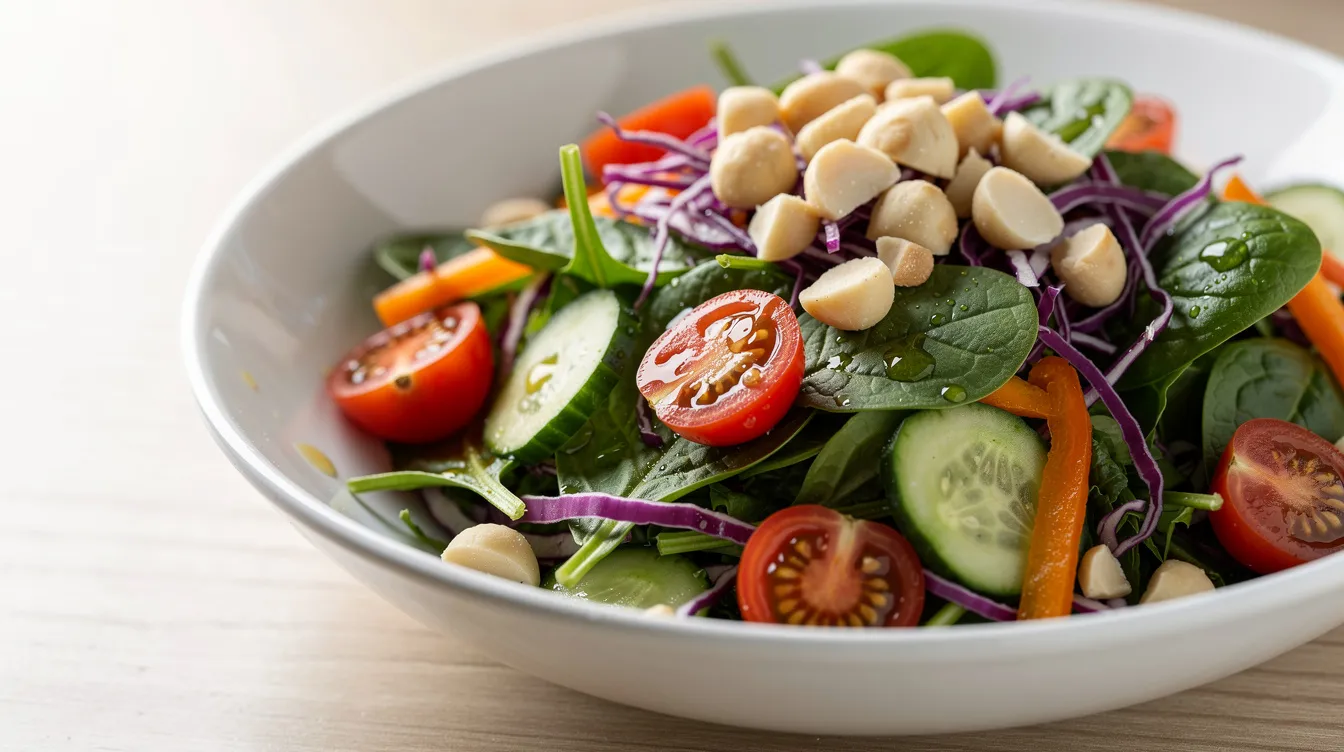
Salads: Chopped macadamias sprinkled over salads add buttery richness and textural contrast to leafy greens.
-
Cooking: Ground macadamias create a luxurious crust for fish or chicken (see our Mediterranean-Style Chicken recipe), while macadamia oil (smoke point 410°F) works excellently for searing, grilling, frying, dressings, and homemade mayonnaise.
-
Baking: Incorporate chopped macadamias into healthy cookies, sweet potato brownies, or breakfast muffins - they withstand baking without becoming mushy, and their healthy fats help offset glycemic load from other ingredients.
-
Plant-forward options: Macadamia milk offers a dairy alternative, though check labels for added gums and sugars.
Macadamia Nuts in Longevity-Focused Diets
Macadamias connect naturally with dietary patterns linked to longevity - Mediterranean-style, plant-forward, and Blue Zones-inspired approaches that emphasize whole foods, healthy fats, and minimal ultra-processed products.
- While not traditionally central to Mediterranean cuisines, macadamias’ high monounsaturated fat profile makes them an excellent complement or substitute for olives, olive oil, and other nuts in such diets.
-
Sample longevity meal: A salad with leafy greens, colorful vegetables, a handful of macadamias, olive-oil-based dressing, and grilled fish delivers multiple longevity-supporting nutrients in one sitting.
-
Breakfast option: A yogurt bowl with berries, oats, and a small sprinkle of chopped macadamias starts the day with protein, fiber, antioxidants, and healthy fats.
- Pair macadamia consumption with other lifestyle pillars: regular exercise like strength training and Zone 2 cardio, time outdoors, stress management, and consistent sleep schedules all compound the benefits.
Macadamia Nuts, Longevity, and Anti-Aging Lifestyle
Macadamia nuts represent one of the most powerful foods for longevity and anti-aging, aligning perfectly with modern science focused on heart health, metabolic flexibility, and skin integrity. Their omega-7 content specifically targets visible aging through support for skin elasticity and collagen production.
- The omega-7, monounsaturated fats, antioxidants, and fiber in macadamias address multiple biological pathways involved in aging: chronic inflammation, oxidative stress, vascular dysfunction, and collagen breakdown.
- Modern anti-aging science includes interventions like peptides (GHK-Cu for collagen), NAD+ precursors, and various biohacking strategies - macadamias serve as a “low-tech,” food-based complement to these more exotic tools.
- According to lifestyle medicine research, foundational habits - what you eat daily and how much you sleep - often have more consistent, long-term impact on healthspan than any single supplement or gadget, accounting for 70-80% of variance in biomarkers.
- Including moderate portions of macadamia nuts in a whole-food, plant-rich diet, alongside adequate sleep and regular movement, is a practical, enjoyable way to support longevity and visible anti-aging from the inside out.
The bottom line: Alongside peptides and biohacking, what you eat and how much you sleep are two of the most fundamental and attainable routes to anti-aging and longevity. Macadamia nuts deserve a regular place in that nutritional foundation.
Frequently Asked Questions about Macadamia Nuts
These FAQs address practical questions about purchasing, storage, daily amounts, and suitability for specific diets—details that help you implement what you’ve learned effectively.
How many macadamia nuts should I eat per day for health and longevity?
A typical serving of about 1 oz (28g), or roughly 10-12 whole nuts, once daily works well for most adults without nut allergies, assuming it fits their overall calorie intake needs. People with higher energy requirements - athletes or very active individuals - may benefit from 2 servings daily.
Are macadamia nuts suitable for keto, low-carb, or paleo diets?
Macadamia nuts are exceptionally well-suited for ketogenic and low-carb diets - with under 2g net carbs per ounce and 85% of calories from fat, they’re among the most keto-friendly nuts available. They also align with paleo templates as minimally processed whole foods.
Keto and low-carb followers should still track portions given the calorie density, and sodium intake matters if choosing salted varieties. Remember that diet labels don’t guarantee health outcomes—food quality, variety, and total calorie balance still matter for longevity regardless of dietary framework.
What is the best way to store macadamia nuts, and how long do they last?
Because of their high unsaturated fat content, macadamias can go rancid if stored poorly. Keep them in airtight containers away from heat, light, and moisture. Unopened packages stay fresh for 4-6 months in a cool pantry, up to 12 months refrigerated, and 2+ years frozen.
Can I get the same benefits from macadamia oil as from whole macadamia nuts?
Macadamia oil preserves the beneficial fats, including monounsaturated fats and omega-7, making it excellent for low-to-medium heat cooking or salad dressings. However, whole nuts provide fiber, protein, and micronutrients (like manganese) that are reduced or absent in the oil.
The best approach combines both: whole macadamias for snacks and texture, macadamia oil to replace less healthy cooking oils. As with the nuts, moderation matters because oils are pure fat and highly calorie-dense.
Are macadamia nuts a good option for people with high cholesterol or heart disease?
Several clinical studies suggest macadamia-rich diets can lower total and LDL cholesterol while supporting heart-healthy lipid profiles - particularly when macadamias replace less healthy fats. Analyses of nut interventions consistently shows cardiovascular benefits.
People with known heart disease or elevated cholesterol should consult their cardiologist or dietitian before major dietary changes, but can often include moderate macadamia portions as part of a heart-focused eating plan. Maximum benefit comes when macadamias join an overall pattern rich in vegetables, fruits, whole grains, and lean proteins - not as isolated additions to an otherwise poor diet.