Macadamia Oil at a Glance
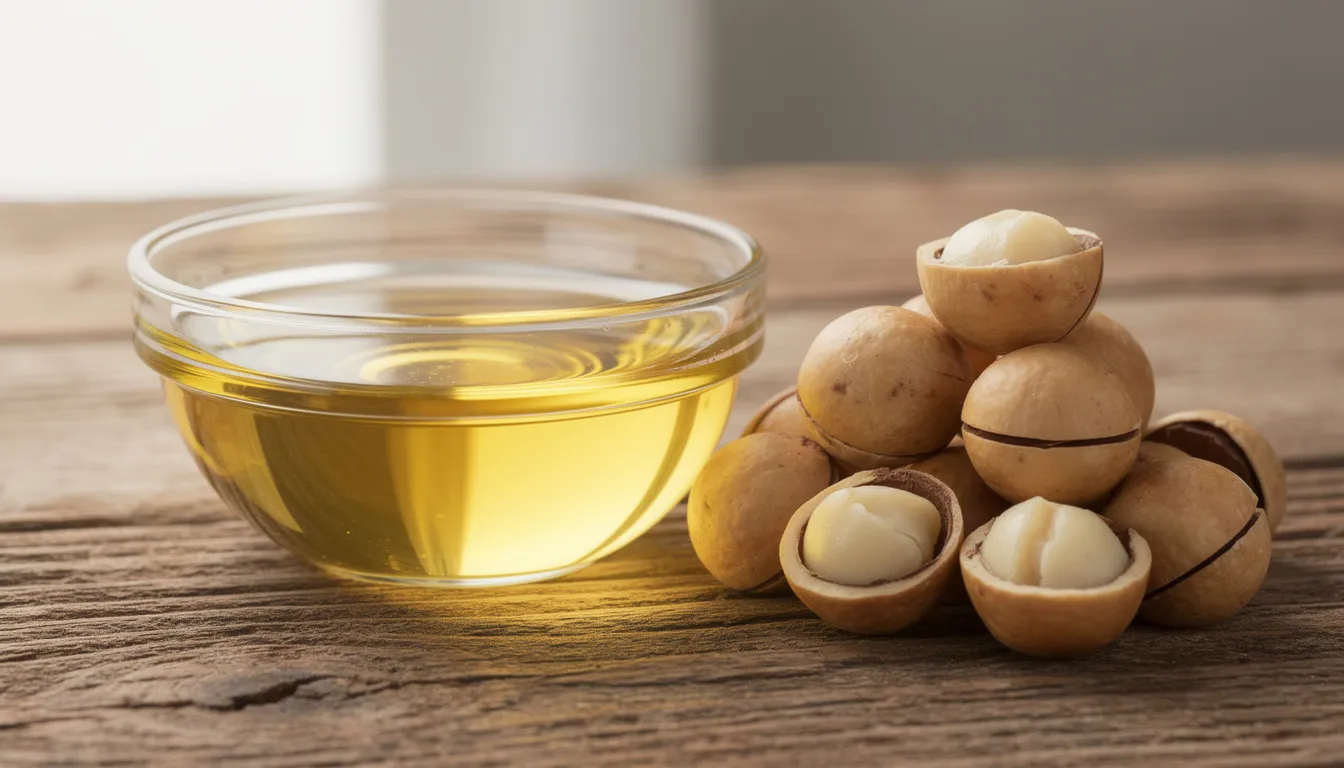
Macadamia nut oil is a monounsaturated-fat–rich cooking oil pressed from macadamia nuts. It has a mild, buttery flavor, a smoke point around 450°F, and naturally contains omega-7 (palmitoleic acid). People use macadamia oil for sautéing, roasting, salad dressings, and as a simple skin moisturizer.
Macadamias are a tree nut known for their rich, creamy taste and impressive healthy fat profile. They are cold-pressed into macadamia oil. Health-conscious US readers are increasingly searching for it as interest grows in healthier cooking oils, anti-aging foods, and longevity-focused nutrition.
What sets macadamia oil apart? It’s exceptionally rich in monounsaturated fats (around 80-84% of total fat content) and contains omega-7, a rare fatty acid that most people don’t get enough of. The oil has a light, subtly buttery flavor that works well in everyday cooking without overpowering your dishes.
Healthy fats like those in macadamia oil may support skin elasticity, steady energy levels, and longevity.
Quick highlights:
- Neutral, buttery taste that complements both savory and sweet dishes
- High smoke point (around 450°F) suitable for sautéing and roasting
- Rich in stable monounsaturated fats and omega-7 palmitoleic acid
- May support skin barrier function, hydration and natural collagen production
- Fits well into longevity-focused and Mediterranean-style eating patterns
Why Healthy Fats Matter for Aging, Skin, and Longevity
Fats aren’t just fuel. They’re structural building blocks your body needs for cell membranes, hormone production, brain function, and - importantly - skin barrier support.
Your skin relies on lipids to retain moisture and protect against environmental damage. As you age, natural sebum production slows, and levels of certain fatty acids decline. This can lead to drier skin, reduced firmness, and a less resilient appearance over time.
Skin elasticity refers to your skin’s ability to stretch and bounce back. It naturally decreases with age, sun exposure, and lifestyle factors. Chronic stress, poor sleep, high sun exposure, smoking, and low hydration can all speed up visible aging - but nutrition plays a meaningful role too.
Monounsaturated fats, like those abundant in macadamia oil, support the skin’s lipid barrier. This helps with moisture retention and may contribute to maintaining a smoother, more hydrated appearance.
No single oil can stop aging. But choosing better fat sources - macadamia oil, olive oil, avocado oil - over heavily processed options is one practical step toward supporting human longevity and overall health.
What Anti-Aging Benefits Make Macadamia Nuts and Macadamia Oil Unique?
Macadamia nuts are nutrient-dense tree nuts mostly grown in South Africa, Australia and Hawaii but now widely enjoyed across the US in snacks, baked goods, and oils. They’ve earned a reputation as one of the richest nut sources of healthy fats.
What makes them stand out? Macadamia nuts contain roughly 80% monounsaturated fats - higher than all other nuts. They’re also naturally low in carbohydrates (typically under 5g net carbs per ounce), making them appealing for low-carb, keto, and longevity-focused eaters.
Macadamia nut oil concentrates these beneficial fats into a versatile cooking oil. Its buttery, neutral flavor works in both savory dishes and baking without competing with other ingredients.
The key differentiator is omega-7 (palmitoleic acid). Macadamia nuts and their oil contain 17-22% palmitoleic acid - the highest concentration among common edible oils. Omega-7s were linked to collagen regeneration in one study. Compared to olive oil and avocado oil, which have less than 1% omega-7, this makes macadamia a standout choice.
There are several instances where the benefits of macadamia oil have been observed, such as improved skin hydration and reduced inflammation in small clinical studies.
Macadamias also contain vitamin E and natural anti oxidants that help protect the oil from breaking down during cooking. This contributes to its impressive stability and shelf life.
Whether you enjoy raw macadamia nuts as a snack or use the oil in your kitchen, both can be part of a “healthy fats” approach to aging well. Improvements in skin elasticity and other anti-aging benefits may occur as a result of regular macadamia oil consumption.
Omega-7 in Macadamia Oil: the Collagen-Boosting Omega
Omega-7 is a type of monounsaturated fatty acid. The main form, palmitoleic acid, has its double bond at the seventh carbon from the omega end of the molecule. In simpler terms, it’s a healthy fat with a unique chemical structure that sets it apart from more common omega-3s and omega-9s.
Unlike essential fats, your body can produce some omega-7. But research suggests that getting additional omega-7 from foods like macadamia nuts, macadamia oil, and certain fish may offer extra benefits. Macadamia nuts are the richest food source of this collagen-boosting omega meaning many health publications recommend a handful of macadamia nuts to naturally supplement omega-7s.
What does the science say about omega-7 benefits? Current evidence, while still developing, points to several potential roles:
-
Metabolic support: Research suggests omega-7 may support insulin sensitivity and healthy blood sugar regulation
-
Cholesterol patterns: Some studies associate palmitoleic acid intake with improved lipid profiles
-
Inflammation: Animal studies indicate potential anti-inflammatory effects
-
Skin barrier function: Omega-7 closely mimics fats found naturally in human sebum, which may support hydration and skin vitality
-
Satiety signals: Preliminary evidence suggests it may help with appetite regulation
How does this connect to skin aging and firmness? Fats that support cell membranes and skin lipids can help maintain a plumper, better-hydrated look. Since palmitoleic acid levels in your skin naturally decrease with each decade, replenishing it through diet may offer support—though no food can reverse wrinkles or replace medical treatment.
Most omega-7 research comes from small clinical trials or animal studies. Food-based sources like macadamia oil offer a practical, enjoyable way to include this fatty acid in your diet without relying on supplements.
Macadamia Oil Benefits and Best Uses
Macadamia oil pulls double duty. It’s both a versatile cooking oil and a simple addition to basic skincare routines.
Cooking with Macadamia Oil
For culinary use, macadamia oil offers several advantages:
- High in stable monounsaturated fats that resist oxidation during cooking
- Smoke point around 450°F - significantly higher than olive oil - making it suitable for medium to high heat
- Light, buttery flavor that enhances food without overpowering it
Practical cooking uses:
- Sautéing vegetables for weeknight dinners
- Roasting potatoes, sweet potatoes, or salmon
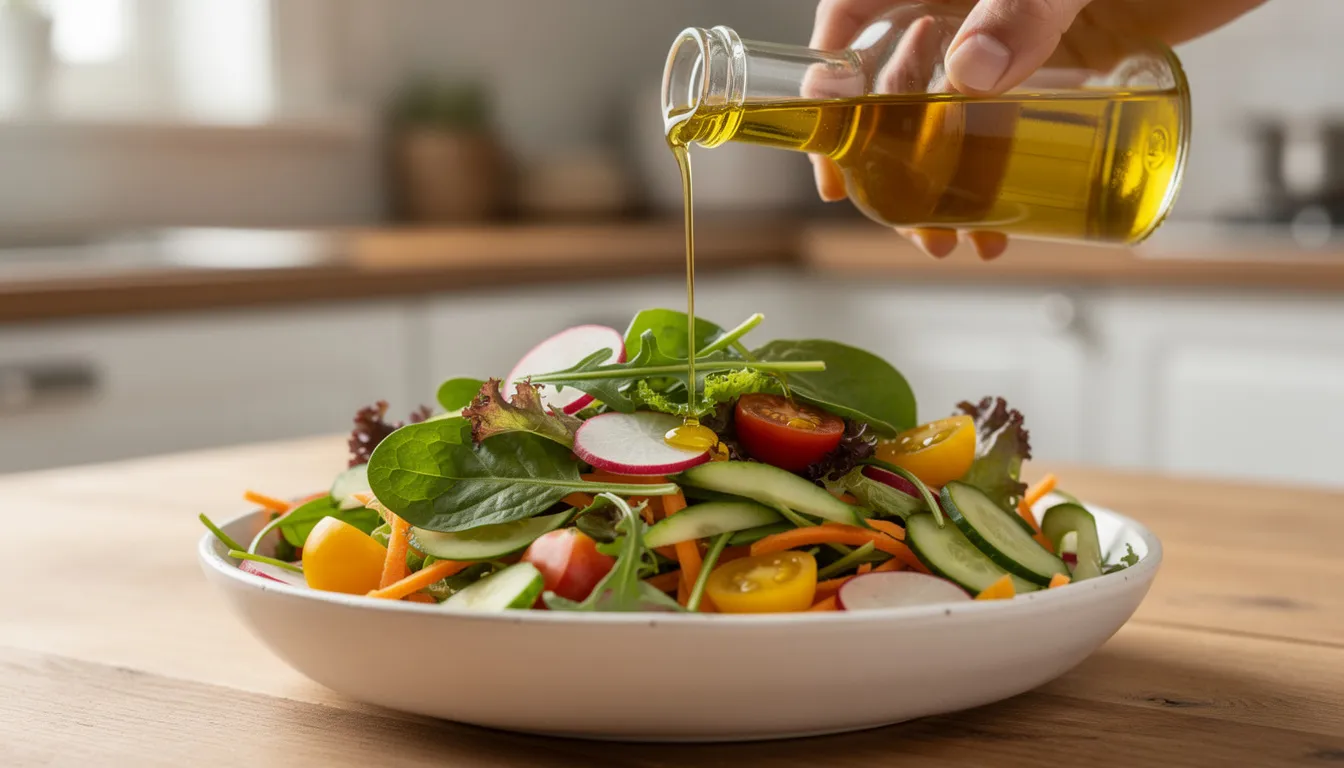
- Making homemade salad dressings and vinaigrettes
- Whisking into mayonnaise or aioli
- Drizzling over cooked grains like quinoa or rice
- Using in marinades for proteins
- Baking in place of seed oils where a neutral flavor works
Because of its neutral taste and healthy fat profile, macadamia oil fits naturally into Mediterranean-style, flexitarian, and longevity-focused eating patterns. It’s an easy swap for most people looking to upgrade their everyday cooking oils.
Beauty and Topical Uses
Cold-pressed macadamia oil can serve as a simple moisturizer or body oil. Its fatty acid profile closely mimics human sebum, meaning it absorbs quickly without leaving a greasy film. Many prefer macadamia oil to the viral trending beef tallow skin care benefits.
For topical use, try applying 2-3 drops to damp skin after showering. It can help support skin softness and barrier function. Some people use it for scalp treatments or as a base for essential oil blends. Applying macadamia oil is a pain-free way to moisturize and support skin barrier function, especially compared to more invasive skin treatments.
Important note: Always patch-test on a small skin area first, especially if you have a nut allergy or sensitive skin. If irritation occurs, discontinue use. Macadamia oil is not a substitute for serums, retinol, or cream products prescribed for specific conditions - it’s simply a natural moisturizing option.

Hair Care with Macadamia Oil
Macadamia nut oil isn’t just a superstar in the kitchen or for glowing skin—it’s also making waves in the world of hair care, especially for those focused on healthy aging and human longevity. Thanks to its high levels of oleic acid, vitamin C, and a unique blend of antioxidants, macadamia nut oil delivers deep hydration and nourishment to both hair and scalp, helping to maintain a youthful appearance and vibrant skin tone.
One of the standout benefits of macadamia nut oil is its ability to support collagen production, which is essential for maintaining the firmness and elasticity of both skin and hair. As we age, natural collagen levels decline, leading to visible signs of aging like wrinkles and thinning hair. Regular use of macadamia nut oil can help slow these changes by providing the nutrients needed to keep hair shafts strong, hydrated, and resilient. This makes it a beneficial addition to anti aging products and routines aimed at reducing risk factors for hair loss and promoting overall longevity.
Compared to heavier oils, macadamia nut oil is lightweight and non-greasy, making it suitable for most people and all hair types. It absorbs quickly, delivering moisture without weighing hair down or leaving residue. This is especially important for those with fine or thinning hair, as it helps restore hydration and shine without irritation.
Macadamia nut oil can be used in a variety of ways to boost hair health. For example, apply it as a pre-shampoo treatment or a weekly hair mask to deeply nourish and repair dry, damaged strands. As a leave-in conditioner, just a few drops can help protect hair from environmental stressors and reduce the appearance of split ends and frizz. Many people also blend macadamia nut oil with other natural ingredients to create custom serums, creams, or supplements that target specific hair concerns.
The oil’s rich vitamin C content and antioxidant profile help shield hair from oxidative stress, which is a major factor in premature aging and graying. This protective effect is especially valuable for those managing health conditions like diabetes or heart disease, where maintaining scalp and hair health can be more challenging.
Recent research and development in the hair care industry have highlighted macadamia nut oil’s unique combination of beneficial nutrients, making it a sought-after ingredient in both professional and at-home products. Its ability to reduce irritation, support hydration, and promote collagen production sets it apart from many traditional oils.
In summary, incorporating macadamia nut oil into your hair care routine is a simple, natural way to support healthy hair growth, slow the visible signs of aging, and enhance overall hair appearance. Whether used alone or in combination with other nourishing ingredients, macadamia nut oil offers a versatile solution for those seeking to improve hair health, reduce risk factors for hair loss, and support longevity from root to tip.
Macadamia Oil vs Other Popular Oils (Olive, Avocado, Seed Oils)
Many readers want to know how macadamia oil stacks up against olive oil, avocado oil, and common seed oils. Here’s a straightforward comparison:
|
Oil Type
|
Smoke Point
|
Main Fat Profile
|
Omega-7 Content
|
Best Uses
|
|
Macadamia Oil
|
~450°F
|
80-84% monounsaturated
|
17-22% (highest)
|
Sautéing, roasting, dressings, baking
|
|
Extra-Virgin Olive Oil
|
~375F
|
70-80% monounsaturated
|
<1%
|
Dressings, light sautéing, finishing
|
|
Avocado Oil
|
~520°F
|
~70% monounsaturated
|
<1%
|
High-heat frying, grilling, roasting
|
|
Common Seed Oils (canola, soybean, sunflower)
|
400-450°F
|
20-60% polyunsaturated, high omega-6
|
Negligible
|
General cooking (less stable at high heat)
|
How macadamia oil stands out:
- Highest omega-7 content among common cooking oils
- Exceptionally rich in monounsaturated fats (80%+)
- Neutral, buttery flavor that works in diverse recipes
- Strong stability for medium-high-heat cooking
- A solid choice for those reducing heavily processed seed oils
Some people prefer to limit refined, high-omega-6 oils and opt for “cleaner fats” like macadamia, olive, and avocado oils. This isn’t about demonizing any food - it’s about choosing options that align with your health goals.
How to Choose a High-Quality Macadamia Oil
Not all macadamia oils are created equal. Processing methods and sourcing affect taste, nutrition, and stability.
What to look for on the label:
- “Cold-pressed” or “expeller-pressed” to help preserve flavor and naturally occurring compounds.
- Single-ingredient lists: 100% macadamia nut oil with no added flavors or seed oils
- “Unrefined” for dressings and finishing where you want maximum flavor
- Look for brands that share sourcing and quality testing.
Minimal processing helps preserve the natural fatty acid profile, subtle buttery flavor, and antioxidants like vitamin E and squalene.
Packaging matters too. Prefer dark glass bottles or opaque containers that protect the oil from light. Store your macadamia oil tightly sealed in a cool, dark cupboard away from the stovetop. Use within a few months of opening for best flavor and freshness.
Choosing simple, single-ingredient oils can help reduce your intake of highly refined, blended products without requiring you to overhaul your entire diet.
If you’re looking for a clean, single-ingredient option, House of Macadamias has a pure high quality, cold-pressed extra virgin macadamia oil.
Practical Macadamia Oil Swaps for Longevity-Focused Eating
Small, sustainable changes often matter more than extreme diets when it comes to long-term health and aging well. Here are practical swaps you can make this week:
-
Roasting vegetables: Use macadamia oil instead of vegetable or canola oil
-
Salad dressings: Replace store-bought seed-oil dressings with homemade vinaigrettes using macadamia oil, lemon, and herbs
-
Baking: Swap margarine or shortening for macadamia oil where texture allows
-
Afternoon snacks: Trade sugary foods for a handful of macadamia nuts
-
Popcorn: Drizzle macadamia oil over popped corn instead of processed butter substitutes
-
Marinades: Use macadamia oil as the base instead of soybean-based options
-
Sautéing proteins: Cook fish, chicken, or eggs in macadamia oil rather than corn oil
-
Finishing dishes: Drizzle unrefined macadamia oil over soups or grain bowls before serving
These swaps support goals like steady energy, better appetite control, and maintaining a healthy weight - without requiring dramatic dietary changes.
Pairing macadamia oil with fiber-rich foods like leafy greens, whole grains, and beans helps your body absorb fat-soluble nutrients important for skin and overall health. Think vitamin C-rich vegetables with a macadamia oil drizzle.
Ready to start? Try macadamia oil or nuts (with 15% off) as your next snack and go-to cooking oil.
How Macadamia Oil Fits into a Longevity and Anti-Aging Lifestyle
Macadamia oil is one piece of a broader longevity puzzle. It works best alongside other lifestyle factors: regular movement, not smoking, adequate rest and sleep, smart sun protection, and a mostly whole-food diet.
Diets rich in monounsaturated fats—like traditional Mediterranean eating patterns—are consistently associated with better heart health, healthier cholesterol levels, and improved cognitive outcomes. Evidence from scientists studying these populations suggests that fat quality matters as much as quantity.
Macadamia oil fits naturally into similar patterns adapted for US living conditions. Use it for cooking, dressings, and as a base for homemade anti aging routines like simple facial oils.
When we talk about “anti-aging,” the focus should be on preserving function and quality of life—healthy skin tone, cardiovascular health, metabolic balance - rather than chasing eternal youth or extreme lifespan extension. Research on heart disease risk factors, diabetes prevention, and skin aging all point toward the benefits of choosing better fats.
Stable energy from healthy fats may also help reduce your reliance on ultra-processed, sugary snack foods that can undermine long-term health and lead to energy crashes throughout the day.
No human study proves any single oil extends lifespan. But consistently choosing higher-quality fats while limiting heavily processed ones is a theme that runs through longevity research across decades.
Research often shows that women tend to outlive men, and dietary patterns rich in healthy fats like macadamia oil may contribute to their higher life expectancy and health resilience.
Start simple: replace one commonly used seed oil or processed fat in your weekly routine with macadamia oil. See how your body responds.
FAQ About Macadamia Oil, Omega-7, and Skin
This article is for general education and summarizes available nutrition research on macadamia oil and fatty acids like omega-7. It isn’t medical advice, and individual needs vary.
Is macadamia oil good for skin?
Research suggests macadamia oil may support skin hydration and barrier function. Its fatty acid profile closely mimics human sebum, allowing it to absorb quickly without greasiness. Some small studies suggest topical plant oils can improve skin hydration and support the skin barrier. It’s a simple option for supporting skin softness, though it won’t replace medical treatment for specific conditions.
Is macadamia oil good for anti-aging?
Macadamia oil may support a healthy appearance as part of an overall longevity-focused lifestyle. Its omega-7 and oleic acid content support the skin’s lipid barrier, which naturally weakens with age. While it won’t reverse wrinkles, using macadamia oil in cooking and skincare is a practical way to incorporate beneficial fats that may help maintain skin firmness and collagen production support over time.
What are omega-7 benefits?
Omega-7 (palmitoleic acid) is a monounsaturated fat studied for potential metabolic and skin-related roles. Research suggests it may support insulin sensitivity, healthy cholesterol patterns, and skin barrier function. Some evidence indicates anti-inflammatory effects. However, most studies are preliminary, so terms like “may support” and “associated with” are appropriate.
Is macadamia oil good for cooking?
Yes. Macadamia oil has a smoke point around 410°F, making it suitable for sautéing, roasting, and light frying. Its high monounsaturated fat content resists oxidation better than polyunsaturated seed oils. The neutral, buttery flavor works in both savory and sweet dishes without overpowering other ingredients.
Can I use macadamia oil on my face?
Many people use cold-pressed macadamia oil as a facial moisturizer. Apply 2-3 drops to damp skin and let it absorb. Its lightweight texture works for most skin types, including oily skin. However, if you have a tree nut allergy or experience any irritation, discontinue use and consult a healthcare provider.
Is macadamia oil healthier than olive oil?
Both are excellent choices rich in monounsaturated fats. Macadamia oil contains significantly more omega-7 (17-22% vs. <1% in olive oil) and has a higher smoke point. Olive oil offers well-documented benefits and contains unique polyphenols. For most people, using both oils for different purposes provides a beneficial combination of healthy fats.
Does macadamia oil contain omega-7?
Yes. Macadamia oil contains 17-22% palmitoleic acid (omega-7)—the highest concentration among commonly used cooking oils. This makes it a standout source for those specifically seeking omega-7 benefits without relying on fish or supplements.
Are macadamia nuts good for longevity?
Macadamia nuts fit well into longevity-focused eating patterns. They’re high in monounsaturated fats, low in carbs, and contain iron, vitamin E, and other nutrients. While no single food guarantees a longer life, incorporating nutrient-dense foods like macadamias supports overall health across your lifespan. A family of healthy habits—not one miracle food—contributes to aging well.
Is macadamia oil safe to heat?
Yes. With a smoke point around 410°F, macadamia oil is safe for sautéing, roasting, and most stovetop cooking methods. Its stability comes from high levels of monounsaturated fats that resist oxidation. For very high-heat deep-frying, check manufacturer guidance, but for everyday cooking, macadamia oil performs well.
Can people with nut allergies use macadamia oil on skin?
This depends on the individual and the nature of their allergy. Macadamia is a tree nut, so those with tree nut allergies should exercise caution. Highly refined oils may contain fewer allergenic proteins, but cold-pressed oils retain more natural compounds. Consult a healthcare provider before topical use if you have a known allergy.
Where Macadamia Oil Comes From and Sustainability Considerations
Macadamia trees originated in Australia but now grow in regions including Hawaii, California, and parts of Africa. The nuts develop inside hard shells and are typically produced and harvested when mature, then pressed to extract oil.
Commercial macadamia production has expanded over the last few decades as demand for both macadamia nuts and macadamia oil has grown.
Sustainability matters when choosing any agricultural product. Water usage, farming practices, and environmental impact vary by region and company. Responsible growers aim to minimize their footprint through efficient irrigation, integrated pest management, and soil conservation.
When shopping, look for brands transparent about their sourcing. Supporting sustainable farming aligns your health choices with environmental values - and often indicates higher-quality products overall.
House of Macadamias focuses on carefully sourced macadamia nuts and oils from South African farms that use solar power and natural irrigation, meaning products reflect both health and sustainability priorities.
How to Store and Use Macadamia Oil Safely
Proper storage helps macadamia oil retain its flavor, nutrition, and stability.
Storage tips:
- Keep in a cool, dark cupboard away from heat and light
- Close the cap tightly after each use
- Avoid storing near stovetops, windows, or other heat sources
- Aim to use within a few months after opening for best flavor
For daily use, 1-2 tablespoons in cooking or dressings fits within normal fat intake guidelines for most people. There’s no strict “dosage”—macadamia oil is a food, not a medicine.
How to tell if macadamia oil has gone rancid:
- Off or stale smell (different from its usual mild, nutty aroma)
- Bitter or unpleasant taste
- Changes in color or consistency
If your oil shows these signs, discard it. Rancid oils can contain harmful oxidized compounds and won’t provide the beneficial properties you’re looking for.
Macadamia oil is generally recognized as safe when used in normal culinary amounts. If you have specific health conditions like diabetes, stomach issues, or are taking medications, consult a healthcare provider about how fats fit into your individual diet.
Best uses include sautéing, roasting, light frying, baking, and dressings. For very high-heat applications, consider other stable oils based on smoke point and your specific cooking methods.
Key Takeaways
-
Macadamia oil is exceptionally rich in monounsaturated fats (80-84%) and contains the highest omega-7 content of common cooking oils (17-22%)
- Its buttery, neutral flavor and 450°F smoke point make it versatile for sautéing, roasting, baking, and dressings
- Omega-7 (palmitoleic acid) may support metabolic health, skin barrier function, and hydration - though research is still developing
- Healthy fats play a role in skin elasticity, cell membrane function, and overall longevity, but no single oil prevents aging
- Choose cold-pressed, single-ingredient macadamia oil in dark glass bottles for best quality
- Small, sustainable swaps - like replacing seed oils with macadamia oil - add up over time for long-term health
- Macadamia nuts and macadamia oil both fit into longevity-focused eating patterns alongside whole foods, movement, and other lifestyle factors
Looking for a natural way to add more anti-aging omega-7s to your daily routine? Get 15% off House of Macadamias' macadamia oil and macadamia nuts.