Key Takeaways
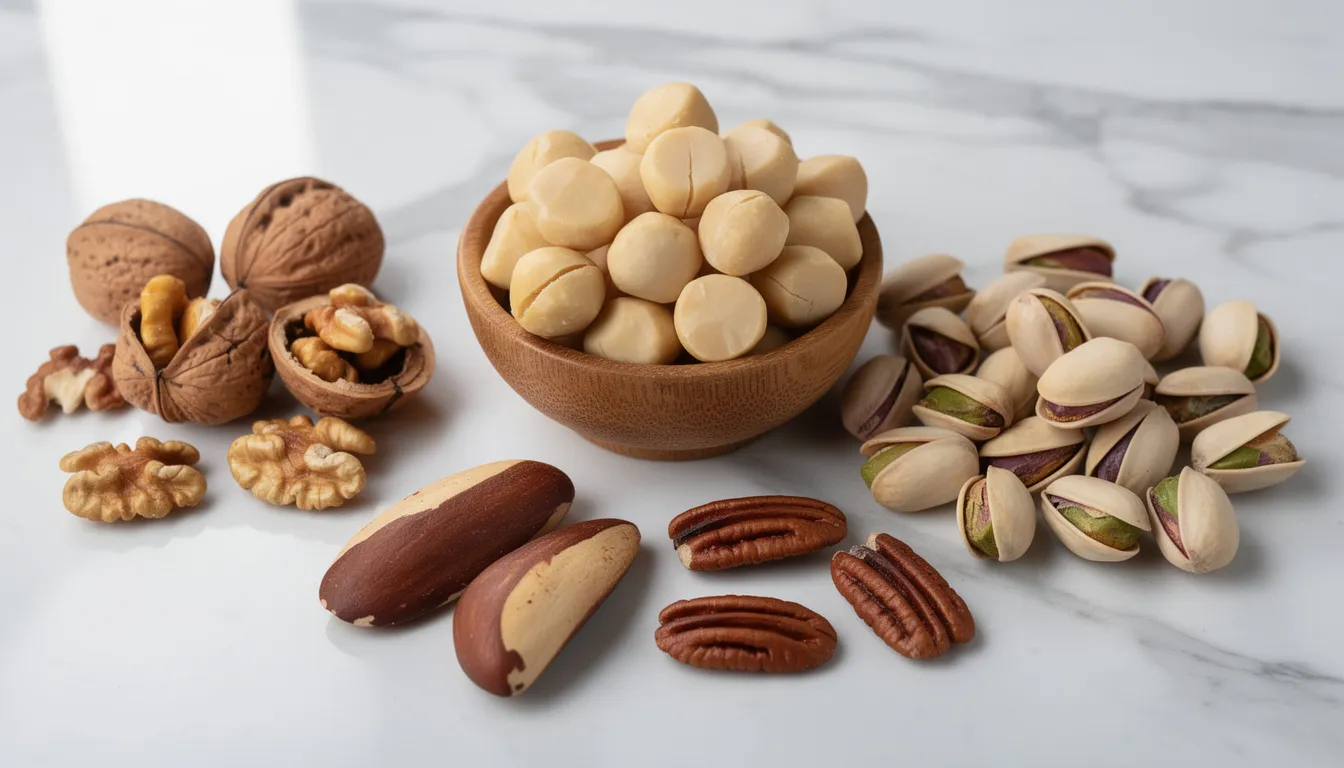
- Walnuts, pecans, Brazil nuts, pistachios and macadamia nuts rank as the 5 healthiest nuts for athletes based on their profiles of healthy fats, digestibility, inflammation potential and carb content.
- These tree nuts are rich in monounsaturated fat and omega fats that support joint health, brain health and sustained energy for long training sessions.
- All five have relatively low linoleic acid compared with common snack nuts, which may help reduce inflammation important for recovery after training or events.
- They’re nutrient-dense, portable, and easy to add to pre- and post-workout snacks while staying low in refined carbs and avoiding the blood sugar spikes of processed bars.
- This listicle is designed to help you choose the best whole nuts for performance and long-term health without wading through generic nutrition advice.
Why Nuts Matter So Much for Athletes
Intense training takes a toll on the body and healthy nuts can help to energize, repair, and support heart health.
-
Healthy fats provide long-lasting energy compared with high-carb snacks that spike and crash blood sugar. When you eat foods high in fat rather than refined carbs, your body burns fuel more steadily. This means no mid-session bonk when you’re waiting for that set wave.
-
Monounsaturated fats and balanced omega-3:6 ratios reduce inflammation in shoulders, lower back and knees stressed by regularly training intensely. Most people experience joint wear after years of running, tennis, surfing, or weightlifting, and the right fats can help manage this wear over time.
-
Low-carb, low-linoleic-acid nuts support stable energy for 2-3 hour sessions without needing frequent refueling. Unlike starchy vegetables or whole grains that require more digestion, nuts provide quick access to fuel that keeps your performance strong.
-
The difference between healthy unsaturated fats in these nuts and inflammatory fats from seed oils is significant. Many processed snacks contain sunflower, soybean or corn oil loaded with omega-6 linoleic acid. These can promote inflammation over time, which is exactly what athletes trying to protect their joints don’t need.
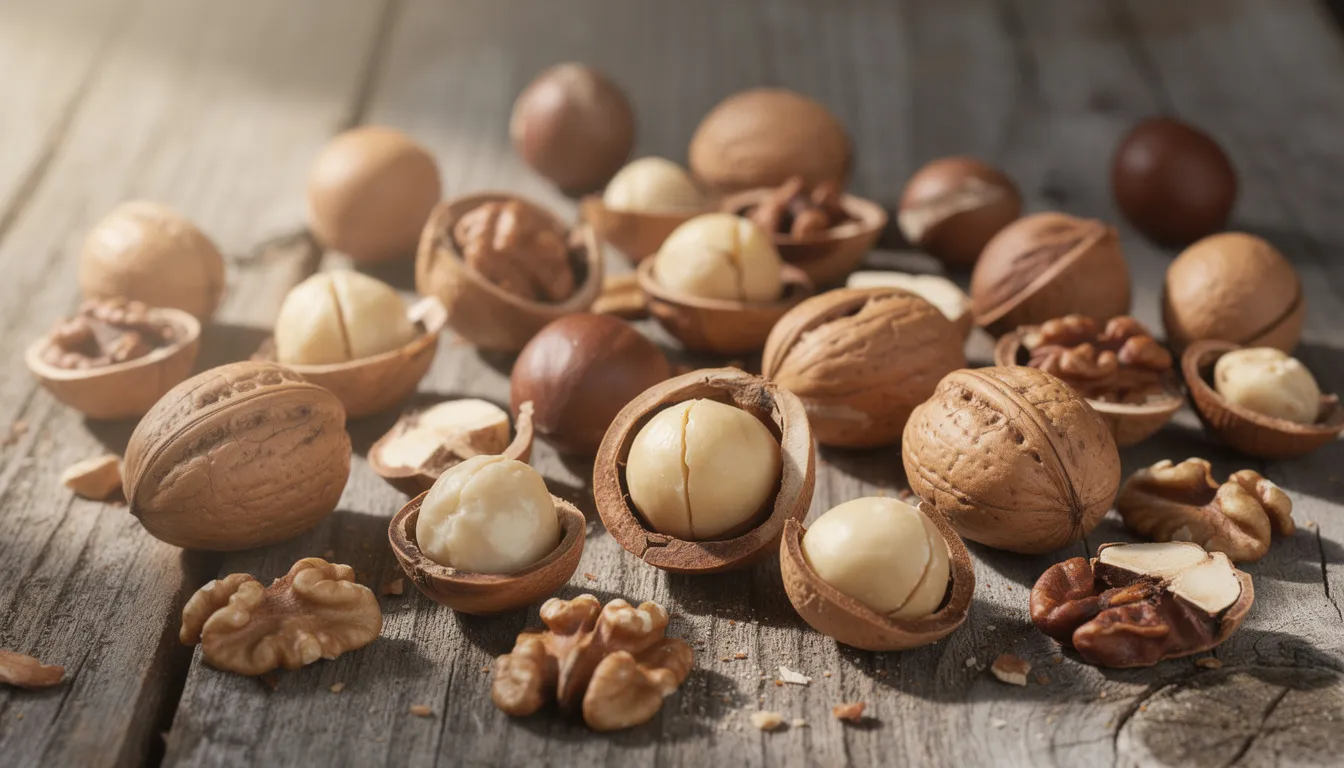
How We Chose the 5 Healthiest Nuts
This isn’t a generic “superfoods” list. We selected these five nuts based on data and physiology specifically relevant to athletes who need anti-inflammatory support, sustained energy, and easy digestibility.
-
Key criteria: fat composition and omega profiles. We prioritized high monounsaturated fat content, favorable omega-3:6 ratio (or at least low omega-6), presence of unique fats like omega-7, and overall nutrient density including minerals and antioxidants like vitamin E.
-
Low to moderate carb content per 30g serving. To avoid blood sugar spikes and sustain energy levels, we looked for nuts that fit a low carb diet approach. Most of these contain 4g or less net carbs per handful.
-
Low anti-nutrient content and digestibility. Unlike legumes or many whole grains, the nuts on this list are relatively low in phytates and lectins. This matters when you’re eating close to a workout or high stakes event.
-
Peanuts and high-linoleic nuts were excluded. Peanuts (technically legumes) and seed-heavy snack mixes often contain higher omega-6 loads that can promote inflammation. We focused on true tree nuts with superior fat profiles for athletes focused on recovery.
1. Walnuts: Brain Fuel and Anti-Inflammatory Powerhouse
Walnuts stand out as the top choice for brain health, heart health and anti-inflammatory support. If you want sharper focus and better decision-making in the lineup, these are your go-to nuts.
-
Fat profile: Roughly two-thirds of walnut calories come from fat, with significant polyunsaturated content including alpha-linolenic acid (ALA), a plant-based omega-3. This helps offset the high omega-6 intake common in typical modern eating patterns that include processed foods.
-
Omega-3:6 context: Although walnuts contain both omega-3 and omega-6 fatty acids, their ALA content makes them one of the best nuts for improving overall omega balance. Most studies show that increasing ALA intake supports cardiovascular function and reduces systemic inflammation.
-
Tangible benefits: Potential support for reduced risk of heart disease, improved blood flow, decreased inflammation, and cognitive benefits. Being able to read waves and react quickly requires a sharp mind, and walnuts deliver the nutrients to support that.
-
Carb and fiber content: A typical 28-30g handful provides around 4g carbs with 2g fiber. This makes walnuts relatively low-glycemic and filling, fitting well into any diet focused on avoiding blood sugar swings.
-
Digestibility and anti-nutrients: Those with sensitive digestion might benefit from soaking or lightly roasting walnuts. However, most people tolerate moderate portions well before a session without issues.
-
Athlete tips: Add walnuts to overnight oats before dawn patrol, or keep a mixed nut blend in your car for post-workout recovery. They pair well with fruit for a quick energy boost after long sessions.
2. Pecans: Low-Carb, Ultra-Buttery Energy Source
Pecans rank among the lowest-carb nuts available and pack exceptional monounsaturated fat content. If you follow a keto or low carb diet approach, pecans are an ideal choice for fuel.
-
Fat profile: The majority of pecan fat is monounsaturated, similar to extra virgin olive oil in composition. They contain moderate saturated fat, relatively low omega-6 compared with many snack nuts, and almost no omega-3. This makes them inflammation-neutral to beneficial.
-
Carb metrics: About 4g total carbs and 3g fiber per 28-30g serving results in very low net carbs. This supports stable blood sugar and consistent energy during long sessions, avoiding the crash that comes from refined carbs or sugary snacks.
-
Antioxidants: Pecans provide vitamin E and polyphenols that may help combat oxidative stress from intense sun exposure and cold-water training. Outdoor athletes face significant UV stress, making these antioxidants particularly relevant.
-
Digestibility: Pecans are usually gentler on the stomach than high-fiber legumes or dense grain bars. They’re a solid option right before or after exercise without causing heaviness or digestive distress.
-
Training uses: Keep a small bag of raw or dry-roasted pecans in your wetsuit bucket for post-session snacking. Chopping pecans into Greek yogurt creates a high-fat, moderate-protein breakfast that sustains energy through morning sessions.
3. Brazil Nuts: Selenium-Rich Recovery Booster
Brazil nuts function as a micro-nutrient powerhouse rather than a volume snack. Their standout feature is extremely high selenium content, making them unique among all nuts.
-
Selenium density: Just 1-2 Brazil nuts per day can provide (and often exceed) the recommended daily intake of selenium. This mineral supports thyroid function, antioxidant defense and immune health, all important for athletes training in challenging conditions.
-
Fat profile: Brazil nuts contain high total fat with a good proportion of monounsaturated fats and moderate saturated fat. They typically have lower omega-6 than many commonly eaten nuts, making them relatively anti-inflammatory.
-
Carb content: About 3g total carbs and 1g fiber per 28-30g serving. This fits well into low-carb and keto-style eating plans that many performance-focused athletes follow.
-
Safe intake warning: Selenium toxicity is a real concern with Brazil nuts. Eating large amounts daily can lead to selenosis, causing hair loss, nail brittleness and neurological issues. Stick to 1-3 nuts per day consistently rather than eating handfuls.
-
Training applications: Add a couple of Brazil nuts to your daily nut mix to support recovery from oxidative stress caused by UV exposure and repeated cold immersion. Pair them with other nuts for a rounded fat profile rather than relying on them alone.

4. Pistachios: Performance Snack with Protein and Fiber
Pistachios offer a slightly higher-carb but protein-rich option useful for athletes needing more immediate, balanced energy. They work especially well as pre-workout fuel.
-
Macronutrient profile: More protein than many nuts at about 6g per 28-30g serving. Moderate fat with a mix of monounsaturated and polyunsaturated fats, and somewhat higher carb content at roughly 8g total with 3g fiber.
-
Steady energy release: The combination of protein, healthy fat and fiber provides gradual energy release rather than spikes. This makes pistachios a smart pre-workout snack 30-60 minutes before beginning a workout, especially for high-intensity sessions.
-
Omega-6 content: Pistachios are higher in omega-6 than macadamia nuts or pecans, so moderate amounts work best. They remain beneficial when portion-controlled as part of an overall eating plan that avoids seed oils.
-
Micronutrients: Potassium, vitamin B6 and magnesium support muscle function, cramp prevention and nerve health.
-
Practical ideas: In-shell pistachios encourage mindful snacking during travel, slowing you down so you don’t overeat. Sprinkle shelled pistachios on salads or rice bowls after sessions for added crunch and nutrition.
5. Macadamia Nuts: The Athlete's Ideal Low-Inflammation Fat Source
Macadamia nuts may represent the single best nut for athletes seeking ultra-low omega-6, ultra-high monounsaturated fat and exceptional digestibility. They come from the macadamia tree native to northeastern Australia and have spread globally as a premium health food.
-
Fat profile in detail: Around 75-80% fat content, with an exceptionally high share of monounsaturated fats (often over 80% of total fat). Very low omega-6 linoleic acid and unique omega-7 palmitoleic acid set macadamias apart from every other nut.
-
Why low linoleic acid matters: Modern eating patterns are often overloaded with omega-6 from seed oils found in many foods like palm oil-based products and processed snacks. This can promote chronic conditions and inflammation. Macadamia nuts help keep omega-6 intake in check while providing heart healthy fats.
-
Omega-7 benefits: Emerging evidence links omega-7 fats to improved insulin sensitivity, healthier triglyceride levels and potential metabolic health support. For endurance athletes who need efficient energy metabolism, these health benefits add significant value.
-
Carb and fiber stats: About 4g carbs and 2-3g fiber per 28-30g serving. Macadamias are highly compatible with low-carb, keto and even carnivore-adjacent ways of eating that many adopt for performance.
-
Digestibility and anti-nutrients: Macadamias are naturally low in anti-nutrients compared to many legumes and grains. They’re generally very gentle on the gut, especially when simply dry-roasted with sea salt added for flavor.
-
Sports uses: A small handful of dry-roasted macadamia nuts makes an ideal pre-dawn snack. Combine them with black coffee or tea for sustained energy without heaviness. The buttery flavor satisfies cravings without needing sugary additions.
-
Trail mix: Create a homemade blend with a base of macadamias, pecans and a couple of Brazil nuts. Avoid seed oils and skip sugary dried fruit for a truly low-inflammation snack. You can also use macadamias to make nut butter or dairy-free milk for smoothies.
- Comparing These 5 Nuts: Fats, Carbs and Inflammation
Understanding the key differences between these nuts helps you choose the right ones for your specific needs. Here’s how they stack up on the factors most relevant to athletes.
Lowest in Carbs:
- Pecans (4g total, 3g fiber = ~1g net carbs)
- Macadamia nuts (4g total, ~3g fiber)
- Brazil nuts (3g total, 1g fiber)
Highest in Omega-3:
Highest in Omega-7:
Highest in Protein:
Ranked by Inflammatory Potential (lowest to highest):
- Macadamias and pecans (best for low omega-6)
- Brazil nuts (moderate)
- Walnuts (moderate, balanced by omega-3)
- Pistachios (higher omega-6, still beneficial in small amounts)
Best for Specific Purposes:
|
Goal
|
Best Nuts
|
|
Joint-friendly fats
|
Macadamias, Pecans
|
|
Brain and heart support
|
Walnuts, Macadamias
|
|
Selenium and hormonal health
|
Brazil nuts
|
|
Protein fuel
|
Pistachios
|
|
Overall lowest inflammation
|
Macadamias
|
Eating a variety across these five nuts spreads the benefits while keeping overall seed oil exposure low. You don’t need to choose just one—mix them based on your daily needs and what’s available.
How to Add These Nuts to a High PerformanceTraining Routine
Fitting nuts into active daily life means working with early alarms, gym or track access, and minimal meal prep time. Here’s how to make it practical.
Pre-Session Options:
- 20-30g of macadamias or pecans alone, eaten 30-60 minutes before training
- A small mixed handful of walnuts and pistachios for balanced fat and protein
- Pair with cottage cheese or Greek yogurt if you need more protein before longer sessions
Post-Session Recovery:
- Combine nuts with protein sources like eggs, jerky, or a protein shake to support muscle repair
- Add chopped walnuts or pecans to a side salad with olive oil dressing
- Blend macadamias into a smoothie with fruit and vegetables for complete nutrition
Practical Prep Tips:
- Portion nuts into 20-30g snack bags for your car or gym bag
- This controls your total daily calorie intake and prevents overdoing Brazil nuts
- Keep portions accessible so you’re not tempted by gas station snacks on road trips
Choosing Quality Nuts:
- Select dry-roasted or raw nuts without seed oils (no canola, sunflower or soybean oil)
- Check ingredient lists: ideally just nuts and sea salt
- Avoid flavored varieties with added sugar or inflammatory oils
Digestion Considerations:
- Start with smaller portions if you have sensitive digestion
- Avoid combining large amounts of nuts with very high-fiber meals right before training
- Some athletes prefer fueling with easily digestible carbs like a banana or energy drink before a high intensity workout, saving nuts for post-session
FAQ
Are nuts okay if I’m trying to lose weight?
Nuts are calorie-dense but very filling due to their fat, fiber and protein content. This combination can actually reduce overall snacking and help with weight loss by keeping you satisfied longer. Most studies show that people who eat nuts regularly don’t gain weight compared to those who avoid them. For weight management, portion control matters—stick to 20-30g servings and use nuts to replace ultra-processed, sugary snacks that harm both performance and body weight. Consider nuts as part of a balanced, protein-rich meal rather than mindless grazing throughout the day. Intermittent fasting combined with nutrient-dense nuts can support both energy needs and body composition goals.
How far before a training session should I eat nuts?
A window of 30-60 minutes before typical sessions works well for most people, allowing partial digestion while still providing accessible energy. Those with sensitive stomachs might do better with smaller portions or eating nuts 60-90 minutes. Experimentation matters here - test timing on shorter, lower-stakes sessions first before relying on a new eating pattern for important athletic events. Unlike red meat or heavy meals, nuts digest relatively quickly, but everyone’s gut responds differently.
Which of these nuts are best if I have blood sugar or insulin concerns?
Macadamia nuts, pecans and Brazil nuts are particularly good options due to their very low net carbs and high healthy fat content. Promising early evidence suggests omega-7 in macadamias may support better insulin sensitivity, though you should still follow medical guidance for any chronic conditions. Choose unsweetened, uncoated whole nuts and avoid sugary glazes or mixes heavy on dried fruit. These nuts fit well into Mediterranean diet patterns that emphasize healthy fats over refined carbs for stable glucose levels.
Do I need to soak or sprout these nuts for better digestion?
Soaking can reduce some anti-nutrients in walnuts and pecans, which may help people with sensitive digestion absorb minerals more effectively. Macadamia nuts have the lowest anti-nutrient levels and are usually well tolerated even without soaking. Try small amounts of each nut in different forms (raw, dry-roasted, soaked) and notice how your stomach feels during and after sessions. Unlike seeds or legumes, these nuts are already relatively digestible for most people. The worst nuts for digestion are almonds, when considering oxalates in nuts.
Can I rely on these nuts as my only fat source?
While these five nuts provide excellent fats, athletes should also include other whole-food fat sources for complete nutrition. Fatty fish, pastured eggs, extra virgin olive oil and avocados offer different essential fatty acids and fat-soluble vitamins that nuts alone don’t fully cover. Diversity in plant based foods and animal sources helps cover omega-3s from fish, vitamins from eggs, and the polyphenols from quality oil. These five nuts can form a strong foundation of a low-inflammation fat strategy, but they work best as part of a varied eating plan that includes other nutrient-dense food sources rather than as the sole component of your diet.