Ranked for skin results, texture, and everyday use: macadamia oil vs premium beef tallow, jojoba, shea, and coconut
If you’re comparing natural moisturizers, the real question isn’t what’s trending in the carnivore community or paleo community. The real question is: which oil, butter, or rendered fat gives your skin the best hydration, balanced texture, and long-term benefits without irritation, preservatives, or unnecessary additives?
Macadamia nuts are not only highly nutritious but also delicious, making them an appealing addition to both your diet and skincare routines.
In this page, we rank five options in a logical order and compare macadamia oil, macadamia nut oil, and premium beef tallow head-to-head—with practical guidance for face, body, hair, cooking crossover use, and how to choose products you can actually trust.
Introduction: The Rise of Natural Moisturizers
Scroll through TikTok or Instagram these days, and you’ll likely encounter someone rubbing rendered beef fat onto their face, praising the “ancestral” wisdom of using tallow for skincare. The trend has exploded since 2023, with influencers from the carnivore and paleo communities championing premium beef tallow as a back-to-basics solution for everything from dry patches to fine lines.
And honestly? Tallow does have some legitimate benefits. It’s occlusive, meaning it creates a protective barrier that locks in moisture. It’s rich in fatty acids and fat-soluble vitamins. For people seeking alternatives to synthetic ingredients, the appeal makes sense. Dairy products are also a source of omega-7 fatty acids, such as vaccenic acid, but macadamia oil offers a plant-based alternative for those looking to avoid animal-derived ingredients.
But here’s what the tallow trend doesn’t always address: the quality concerns around factory farming, the strong smell that lingers on your pillow, the heavy texture that can feel like spreading butter on your face, and the real possibility of clogged pores for many users.
Enter macadamia oil—a modern, science-backed alternative that delivers everything people love about tallow (that “skin-like” feel, deep nourishment, barrier support) but in a cleaner, vegan, and genuinely more skin-compatible form. This article breaks down the best and worst natural moisturizers, with a clear focus on why macadamia oil deserves the top spot in your skincare routine.
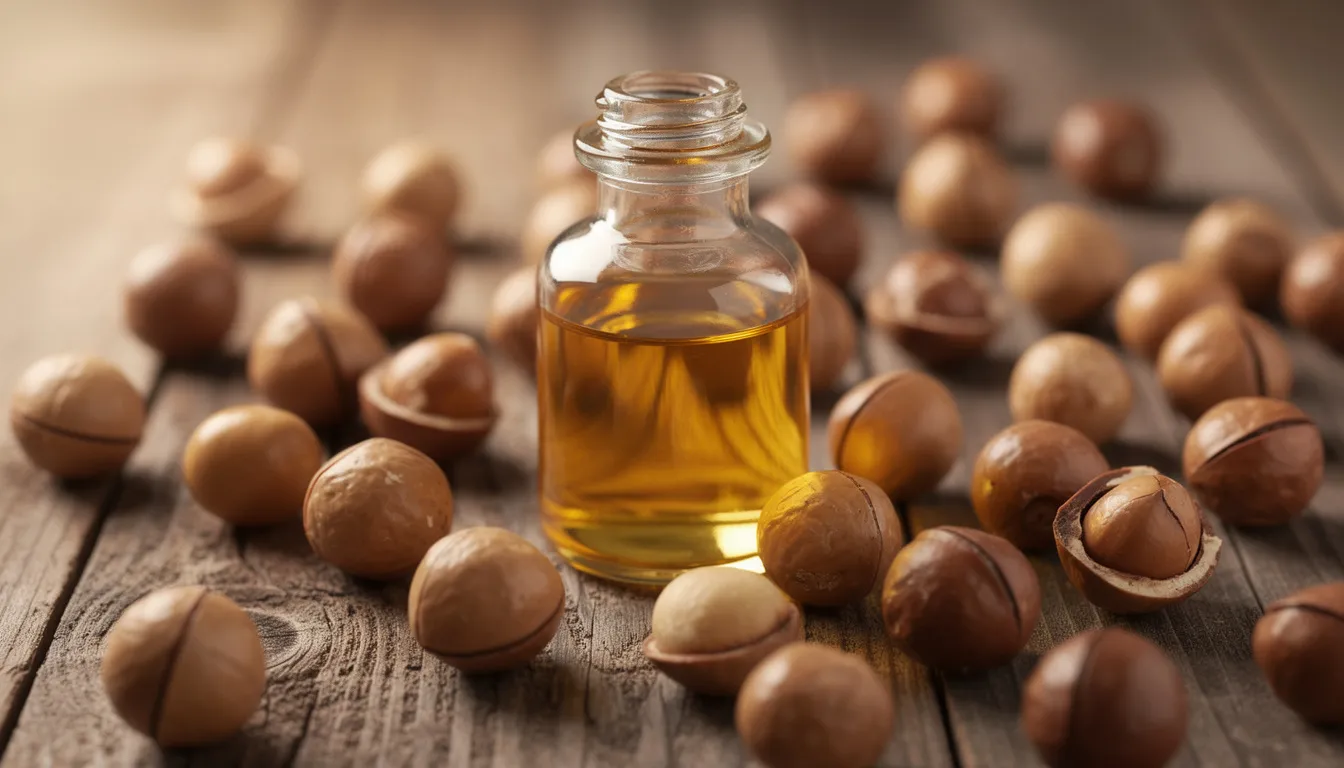
1. Macadamia Oil – The Top Natural Moisturizer for Healthy, Youthful Skin
If you’re looking for a single natural oil that checks every box—hydration, anti-aging, barrier repair, ethical sourcing—macadamia oil is the clear winner for both face and body moisturizing.
Macadamia nut oil is cold-pressed from the nuts of Macadamia integrifolia and Macadamia tetraphylla trees, originally native to Australia but now cultivated in regions like Hawaii, South Africa, and Kenya. What makes this oil exceptional isn’t just where it comes from, but what’s inside it.
The fatty acids profile of macadamia oil sets it apart from virtually every other plant oil on the market:
-
80-84% monounsaturated fats for exceptional stability and skin compatibility
-
~20% palmitoleic acid (omega-7) – one of the highest concentrations in any plant source. While sea buckthorn is another notable plant source of omega-7 fatty acids, macadamia oil offers one of the highest concentrations available.
-
~60% oleic acid (omega-9) for deep, lasting hydration
-
Smaller amounts of linoleic acid (omega-6) for anti inflammatory properties
-
Natural squalene, tocopherols (vitamin E forms), and phytosterols
High-quality macadamia oil (such as House of Macadamias) is cold-pressed and can be 3rd-party tested for purity, oxidation levels, and contaminants like heavy metals and pesticides—offering a level of quality control that most DIY tallow balms simply can’t provide.
1.1 Mimics Human Sebum for Superior Anti-Aging
Here’s a fact that changes everything: palmitoleic acid is produced naturally by your skin in the sebaceous glands. It’s a key component of human sebum—that slightly oily substance that keeps your skin soft, supple, and protected.
The problem? Your body produces less palmitoleic acid as you age. By your 40s and 50s, sebum production has dropped significantly, contributing to dryness, loss of elasticity, and the appearance of fine lines.
Macadamia oil’s remarkably high concentration of palmitoleic acid means it can actually help restore this “youthful” lipid profile when applied topically. This is why the oil has become a prized ingredient in anti-aging creams, serums, and facial oils designed for mature skin.
What this means for your skin:
-
Smoother texture as the oil integrates with your natural lipid barrier
-
Improved elasticity from replenished omega-7 levels
-
Support for healthy collagen levels, which can further enhance skin elasticity and reduce visible signs of aging
-
Reduced appearance of fine lines over consistent use
-
A natural “glow” that comes from properly balanced sebum
1.2 Non-Comedogenic and Ideal for Sensitive, Acne-Prone Skin
One of the biggest concerns with natural moisturizers is pore-clogging. Nobody wants to trade dry skin for breakouts. This is where macadamia oil truly shines.
On the comedogenic scale (which rates ingredients from 0-5 based on their likelihood of clogging pores), macadamia oil scores around 2/5. Compare that to coconut oil, which often rates 4-5/5—a significant difference for anyone with acne-prone or combination skin.
What does “non-comedogenic” actually mean? Simply put, it’s unlikely to block your pores and trigger blackheads or pimples. The oil’s dry texture absorbs rapidly without leaving residue, making it suitable for layering under sunscreen, makeup, or other products.
Contrast this with heavier animal fats like beef tallow, which can form a dense occlusive layer that sometimes traps sweat, bacteria, and dead skin cells beneath. For daily facial use, this creates unnecessary risk.
Quick tip: If you have sensitive skin, always do a patch test first. Apply a small amount to your jawline for a few nights and monitor for any reaction. Most people find macadamia oil gentle and well-tolerated.
1.3 Squalene and Deep Hydration Without Greasiness
You’ve probably heard of hyaluronic acid as a hydration powerhouse. Squalene (and its stable skincare form, squalane) works differently but achieves similar results—and macadamia oil is naturally packed with it.
Squalene is a lipid that occurs naturally in human sebum. It’s a lightweight, powerful moisturizer that helps maintain the fluidity of cell membranes, which is essential for youthful skin health. Think of it as the “lubricant” that keeps your skin cells functioning smoothly.
What makes macadamia oil special is how quickly it absorbs. Unlike heavier vegetable oils or animal fats that sit on top of your skin, macadamia oil sinks in within minutes, leaving your skin supple rather than shiny or sticky. Macadamia oil helps improve the softness and texture of every bit of your skin, leaving it supple and smooth. This makes it perfect for daytime use under SPF or cosmetics—no greasy film, no pilling, just hydration that stays put.
1.4 Skin-Barrier Repair and Protection From Dryness
Your skin barrier is your body’s first line of defense against environmental stressors, bacteria, and moisture loss. When it’s compromised—whether from over-exfoliation, harsh cleansers, retinoids, or simply cold weather—you experience dryness, tightness, redness, and sensitivity.
Macadamia oil excels at barrier repair because its balanced combination of oleic and linoleic acid helps replenish the lipids your barrier needs to function properly. Research has indicated that macadamia oil can be useful in the “treatment or prevention of dry skin and conditions in which the skin’s lipid barrier is defective or damaged.” In addition, macadamia oil may help reduce inflammation, supporting the skin’s natural healing and barrier repair processes.
Ideal use cases for barrier repair:
-
Winter dryness and windburn
-
Post-retinoid irritation (that peeling, flaky phase)
-
Recovery after sun exposure
-
Hands dried out from frequent washing
-
Rough patches on elbows, knees, and heels
The oil’s nutrients work to reduce transepidermal water loss (TEWL), essentially helping your skin hold onto moisture rather than letting it evaporate into the air.
1.5 Cell Regeneration and Scar Support (Including Acne Scars)
Beyond basic moisturizing, macadamia oil contains compounds that actively support your skin’s renewal processes. Both squalane precursors and oleic acid work together to promote cell regeneration—the natural process by which your body replaces old, damaged skin cells with fresh ones. Along with healthy fats, adequate protein intake is also important for optimal skin regeneration and healing.
This regenerative support is especially valuable for:
-
Post-acne marks and hyperpigmentation
-
Minor scars from cuts or scratches
-
Uneven texture from past breakouts
-
Stretch marks (especially when used preventatively)
Many people combine macadamia oil with manuka honey in DIY masks specifically for scar healing support. The combination leverages macadamia’s barrier repair with manuka’s antibacterial and wound-healing properties for a synergistic effect.
Important note: No topical oil can “cure” scars or make them disappear overnight. What macadamia oil offers is consistent support for your skin’s natural healing processes. Results are gradual and work best as part of a long-term routine.
1.6 Stable, Slow to Go Rancid, and Easy to Store
Here’s a practical benefit that matters more than you might think: macadamia oil is naturally resistant to going rancid.
Why? Its chemical composition is dominated by stable monounsaturated fats rather than highly reactive polyunsaturated fats. This gives macadamia oil excellent oxidative stability—it doesn’t break down and turn rancid as quickly as oils like flaxseed, hemp, or even some fish oils.
The cold-pressing process used for macadamia oil is both efficient and preserves the oil's beneficial properties.
Practical benefits of this stability:
-
Longer shelf life at room temperature (12-18 months when stored properly)
-
Less risk of applying oxidized, potentially irritating products to your face
-
No need for refrigeration in most climates
-
Cost effective in the long run since you won’t waste product to spoilage
Simply store your macadamia oil in a dark, tightly sealed bottle away from heat and direct light. Check occasionally for any “off” smells—though with proper storage, you’re unlikely to encounter them before you’ve used up the bottle.
1.7 Ethical, Vegan, and 3rd-Party Tested
For many consumers, how a product is sourced matters as much as how it performs. This is where macadamia oil offers a clear advantage over animal-derived alternatives like beef tallow.
Macadamia oil is:
-
100% plant-based and vegan
-
Sourced from trees, not slaughtered animals
-
Free from factory farming concerns
-
Produced without the ethical issues surrounding industrial cattle operations
Macadamia orchards can be managed with attention to soil health and biodiversity, aligning with sustainable, regenerative agricultural practices. Meanwhile, most commercially available tallow traces back to industrial cattle farming, with its associated environmental and animal welfare concerns.
Quality matters here too. High-quality macadamia oil from brands like House of Macadamias can be 3rd-party tested for purity, heavy metals, pesticide residues, and oxidation markers. This offers measurable quality standards that many DIY or artisanal tallow balms simply lack—you know exactly what you’re putting on your skin.

2. Beef Tallow – Why It’s Trending (and Where It Falls Short)
Let’s give tallow a fair hearing. Beef tallow is rendered beef fat, historically used for cooking, candle-making, and basic salves long before modern skincare existed. It’s having a moment thanks to the “ancestral health” movement, paleo and carnivore diet crossovers, social media testimonials, and a genuine desire among consumers for “skin-like” fats without synthetic additives.
Before spending money on unproven omega-7 supplements, consider investing in nutrient-rich oils like macadamia oil, which offer well-supported benefits for skin and health.
Tallow does have legitimate moisturizing properties. But when you look closely, important limitations emerge that make macadamia oil a better everyday choice for most people.
2.1 Benefits of Beef Tallow for Skin
To be balanced, here’s what tallow genuinely offers:
|
Benefit
|
Explanation
|
|
Highly occlusive
|
Creates a thick protective barrier that prevents water loss
|
|
Rich in saturated fats
|
Can provide intense, waxy protection for very dry areas
|
|
May contain fat-soluble vitamins
|
Vitamins A, D, E, and K (depending on the animal’s diet)
|
|
Traditional use
|
Long history in folk remedies for cracked, rough skin
|
Tallow’s waxy texture can be especially helpful for targeted body areas like cracked heels, rough elbows, and dry knuckles—particularly in harsh winter climates where skin needs heavy-duty protection. Because tallow is solid at room temperature, users often need to scoop out the product before applying it to the skin.
Some people with extremely dry or compromised skin barriers experience quick relief from tallow balms. The thick occlusive layer essentially seals in whatever moisture is present and prevents further evaporation.
However, these benefits are most suited for targeted body use rather than daily facial moisturizing, where clogging and heaviness become real concerns.
2.2 Drawbacks: Factory Farming, Heaviness, and Uncertainty
Now for the factors that make tallow problematic as a primary skincare ingredient:
Ethical and quality concerns:
-
Most commercial tallow comes from industrial cattle farming with associated environmental issues
-
Quality varies wildly—grass-fed, regeneratively raised sources exist but are rare and expensive
-
Unlike plant oils, rendered animal fats are rarely 3rd-party tested for contaminants
-
Diet quality of the source animals directly affects the fat’s composition
Cosmetic drawbacks:
-
Strong, sometimes lingering animal odor that many find unpleasant
-
Very heavy, waxy feel that doesn’t absorb well
-
Can leave a visible film on skin
-
Higher likelihood of clogging pores for facial use
-
Not suitable for layering under makeup or sunscreen
For daily face use, macadamia oil offers a lighter, more elegant, and better-controlled option than tallow could ever provide.
2.3 Tallow vs. Macadamia Oil: Which Is Closer to Human Skin?
Tallow advocates often claim it’s “similar to human sebum.” While there’s some truth to this—animal fat shares certain structural similarities with human fat—the claim doesn’t hold up when you look at specific composition.
The key difference: palmitoleic acid content
|
Oil/Fat
|
Monounsaturated Fat
|
Palmitoleic Acid (Omega-7)
|
|
Macadamia Oil
|
80-84%
|
~20%
|
|
Beef Tallow
|
~50%
|
Very low
|
Human sebum is notably rich in palmitoleic acid. Macadamia oil’s exceptionally high concentration of this specific fatty acid means it more closely mirrors the lipids your skin naturally produces and needs. Additionally, other nutrients and dietary choices can influence omega-7 levels in the skin.
Tallow is mainly saturated and monounsaturated fats with minimal palmitoleic acid. While it can provide occlusion and some barrier benefits, it lacks the precise fatty acid match that makes macadamia oil truly “biomimetic”—the more scientifically accurate choice for facial skincare and long-term barrier health.
3. Other Popular Natural Moisturizers: Best and Worst for Your Face
Beyond macadamia oil and tallow, the natural skincare market offers dozens of options. We suggest trying different natural moisturizers to find what works best for your skin. Here’s a quick tour of the most popular ones, ranked loosely from better to worse for facial use.
3.1 Shea Butter
Shea butter comes from the nuts of the Vitellaria paradoxa tree, widely used in body butters and balms throughout Africa and now globally.
Best for: Very dry body areas, hands, feet, and thick protective night treatments
Watch out for:
-
Thick, can feel greasy on the face
-
May be comedogenic when applied heavily
-
Not ideal for layering under makeup or SPF
Compared to macadamia oil, shea butter is significantly heavier and less suitable for facial use. Macadamia’s lighter texture and sebum-mimicking properties make it far better for daily face moisturizing.
3.2 Jojoba “Oil”
Technically a liquid wax ester from the seeds of Simmondsia chinensis, jojoba is often praised for its resemblance to human sebum and excellent stability.
Best for: Balancing oily and combination skin, carrier oil for essential oils, general facial moisturizing
Watch out for:
-
Lacks the particularly high palmitoleic content of macadamia oil
-
Lower in squalene than macadamia
-
May not provide enough richness for very dry or mature skin
Jojoba is a close runner-up and often appears alongside macadamia oil in sophisticated formulations. It’s an excellent choice, just not quite as specialized for anti-aging and barrier repair.
3.3 Coconut Oil
Perhaps the most popular natural oil worldwide, coconut oil is semi-solid at room temperature and approximately 90% saturated fat.
Best for: Hair conditioning, very dry body areas, food and cooking, removing makeup (with caution)
Watch out for:
-
Often rated 4-5/5 on the comedogenic scale
-
High risk of clogged pores and breakouts for facial use
-
Lauric acid can be irritating for some skin types
-
Very occlusive, doesn’t absorb well
For anyone prone to blackheads or acne, coconut oil is generally a poor choice for the face. Macadamia oil offers similar hydration and barrier repair with far lower pore-clogging risk.
When shopping for coconut oil or other natural oils online, look for an 'Add to Cart' button to easily purchase your preferred product.
3.4 Olive Oil
A monounsaturated-rich oil (primarily oleic acid) used for centuries in Mediterranean skincare traditions.
Best for: Occasional body use, cooking (obviously), oil cleansing for non-sensitive types
Watch out for:
-
Can be too heavy for facial use
-
Some people find it irritating
-
Lingering scent that not everyone enjoys
-
Much lower palmitoleic content than macadamia oil
Olive oil is a pantry staple with secondary cosmetic use. For targeted skincare, macadamia oil is a more refined choice with better absorption and skin compatibility.
4. How to Use Macadamia Oil in Your Daily Skincare Routine
One of the best things about macadamia oil is its versatility. You can use it neat, blend it with other oils, or incorporate it into your existing creams and serums. In addition to its skin benefits, the fatty acids in macadamia oil may also support healthy metabolism, thanks to their role in metabolic processes. The key is consistency over quantity—small amounts used regularly deliver better results than occasional heavy applications.
4.1 For the Face: Lightweight Daily Moisturizing
Basic morning and night routine:
-
Cleanse with a gentle, pH-balanced cleanser
-
Apply any water-based serums (vitamin C, niacinamide, hyaluronic acid)
-
While skin is still slightly damp, warm 2-4 drops of macadamia oil between your fingertips
-
Press (don’t rub) the oil into your face, focusing on fine-line-prone areas: forehead, crow’s feet, around the mouth
-
Follow with sunscreen in the morning
For oily or combination skin types: Start with just 1-2 drops at night only. After 1-2 weeks of consistent use, assess how your skin responds before adding morning application.
Good news for makeup wearers: macadamia oil layers beautifully under light gels and both mineral and chemical SPFs without pilling or separating.
4.2 For the Body: Barrier Repair on Dry Areas
Apply macadamia oil immediately after showering, while your skin is still slightly damp. This helps lock in moisture and improves absorption.
How to use:
-
Use alone on legs, arms, and dry patches
-
Mix a few drops in your palm with a fragrance-free lotion for a richer blend
-
Focus on hands, cuticles, knees, and elbows—especially in fall and winter
-
A little goes a long way due to its excellent spread and high absorbability
Unlike some body oils that leave you sliding around on furniture, macadamia oil absorbs quickly enough that you can get dressed within minutes.
4.3 For Scars, Post-Inflammatory Marks, and Texture
Supporting scar healing requires patience and consistency. Here’s a simple protocol:
-
Cleanse the area thoroughly
-
Optionally apply a gentle active like niacinamide or azelaic acid
-
Massage a single drop of macadamia oil into the scarred or textured area
-
Repeat once or twice daily
Some people enhance results by pairing macadamia oil with manuka honey masks or silicone-based scar sheets. The oil supports the skin’s natural healing processes while other treatments address specific concerns.
Important: Changes in scar appearance take weeks to months to become visible. Avoid applying oil over open wounds—wait until the skin surface has fully closed before beginning oil-based care.
4.4 As a Partner for Active Ingredients
Macadamia oil plays remarkably well with potent actives like retinoids, exfoliating acids, and vitamin C serums. Rather than competing, it helps buffer potential irritation and supports barrier integrity during treatment.
How to layer:
-
Apply your active ingredient first (as directed)
-
Wait 2-5 minutes for absorption
-
Seal with a thin layer of macadamia oil to reduce dryness and flaking
This approach is especially helpful for people starting prescription-strength tretinoin or high-strength retinol, where dryness and peeling are common in the first weeks.
Note: Don’t mix potent acids directly into the oil—layer instead for better stability and predictable results.
5. How to Choose a High-Quality Macadamia Oil
Not all macadamia oils are created equal. Quality affects everything from skin feel to potency to safety. Here’s what to look for when you shop.
5.1 Cold-Pressed vs. Refined
Cold-pressed macadamia oil is extracted at lower temperatures that preserve its natural fatty acids, squalene, tocopherols, and antioxidants. This is what you want for skincare.
Refined oil may be stripped of color and scent through processing. While it can still moisturize, it often loses beneficial minor compounds and may feel “flatter” on the skin.
When you buy, look for labels that specify “cold-pressed” or “unrefined.” For very sensitive skin, a lightly refined, high-quality oil might still work—but brand transparency and testing data become even more important.
5.2 Purity, 3rd-Party Testing, and Oxidation
What does 3rd-party testing actually mean? Independent laboratories check the oil for:
-
Contaminants (heavy metals, pesticides)
-
Purity verification (confirming it’s actually macadamia oil)
-
Oxidation markers like peroxide value (indicating freshness)
Brands willing to share testing information signal a higher standard of quality and safety. You can often find this data on their website or by request.
Storage matters too:
-
Choose oils bottled in dark glass to minimize light exposure
-
Look for clear best-by dates
-
Store away from heat and direct sunlight
Compare this to many DIY tallow preparations or backyard-rendered fats, which rarely undergo any systematic testing and may oxidize or become contaminated during handling.
5.3 What to Avoid on the Label
Red flags to watch for:
|
Avoid
|
Why
|
|
“Macadamia blend” without clear ratios
|
May be diluted with cheaper, more comedogenic oils
|
|
Heavy fragrance
|
Common irritant, especially for facial use
|
|
Off smells (paint-like, sour, sharp)
|
Indicates oxidation or poor storage
|
|
Unclear ingredient lists
|
No way to know what you’re actually getting
|
Favor simple ingredient lists like “100% Macadamia Integrifolia Seed Oil” for maximum control and predictability. Fewer ingredients means fewer potential irritants and easier troubleshooting if issues occur.

6. Is Macadamia Oil Right for Your Skin Type?
Macadamia oil is broadly compatible with most skin types, but the ideal amount and frequency varies. Here’s how to tailor your approach.
Macadamia oil is not intended to diagnose, treat, cure, or prevent any medical conditions.
6.1 Dry and Dehydrated Skin
Dry skin types typically tolerate and benefit from daily macadamia oil use—morning and night if desired.
Maximize results by:
-
Pairing with a humectant serum (glycerin or hyaluronic acid) applied to damp skin first
-
Applying the oil while skin is still slightly moist to lock in that hydration
-
Layering a thin balm occlusive on top at night in very cold or dry climates
With consistent use over several weeks, you should notice reduced flakiness, less tightness, and an overall boost in comfort and resilience.
6.2 Oily and Acne-Prone Skin
Even oily skin needs moisture—and macadamia oil’s low comedogenic rating makes it safer than many alternatives.
Start smart:
-
Use a “micro-dose” approach: 1-2 drops at night only
-
Apply to damp skin after water-based products
-
Test on bare-skin nights initially (no heavy makeup on top)
-
Give it 2 weeks before assessing results
Consider combining macadamia oil with non-comedogenic, anti-acne actives like niacinamide or azelaic acid. It works as a supportive moisturizer, not a standalone acne treatment.
6.3 Sensitive and Reactive Skin
Macadamia oil’s simple composition and absence of common irritants (no fragrance in pure form, no preservatives) make it a good candidate for sensitive skin.
Safe introduction:
-
Patch test first: apply a small amount to your jawline or behind the ear for several nights
-
Monitor for redness, itching, or irritation
-
Introduce when your skin is calm—not during an acute eczema or dermatitis flare
The barrier-supporting properties of macadamia oil may actually help reduce overall sensitivity over time, especially when you simultaneously cut back on harsh cleansers and over-exfoliation.
6.4 Mature Skin Concerned With Signs of Aging
Mature skin is where macadamia oil truly shines. Reduced natural sebum production with age means your skin craves exactly what this oil provides: palmitoleic acid and squalene to reduce signs of aging and restore youthful lipid balance.
Recommended approach:
-
Use nightly, focusing on areas with fine lines, thinning skin, or dryness
-
Pair with collagen-supporting actives (retinoids, vitamin C, peptides) if tolerated
-
Be patient—results are gradual and cumulative, best assessed over 8-12 weeks
Think of macadamia oil as a long-term “skin health investment” rather than a quick-fix anti-wrinkle treatment. Consistent use delivers compounding benefits that become more visible over time.
FAQ
Is macadamia oil safe to use around the eyes?
Pure macadamia oil is generally safe for the delicate orbital area when used sparingly. Pat a tiny amount along the orbital bone—not directly on your lash line—preferably at night. Avoid use if you’re prone to milia (those small white bumps) or have very oily eyelids. If you experience any stinging or cloudiness in vision, stop immediately and rinse with clean water. For existing medical eye conditions, consult an eye-care professional rather than relying on cosmetic oils.
Can I cook with the same macadamia oil I use on my skin?
Food-grade, cold-pressed macadamia oil can technically serve both purposes—and with a high smoke point of 200-210°C (392-410°F), it’s excellent for searing, frying, roasting, and baking. However, cosmetic packaging and handling differ from culinary standards. Reserve one bottle specifically for skincare to avoid contamination from food particles, heat, or kitchen moisture. Check labels carefully: if an oil is explicitly sold as cosmetic-only, don’t add it to your dish or food preparation.
How long does macadamia oil last once opened?
Thanks to its stable monounsaturated fatty acid profile, properly stored macadamia oil typically remains fresh for 12-18 months after opening. Keep it in a cool, dark place with the cap tightly closed—avoid hot windowsills, steamy bathrooms, or areas near your stove. If the oil develops a sharp, rancid, or paint-like odor, discard it. For maximum freshness, buy bottle sizes you can comfortably use within a year.
Can I use macadamia oil on my scalp and hair?
Absolutely. Macadamia oil works as a lightweight pre-shampoo treatment for many hair types, especially dry, coarse, or color-treated hair. Massage a small amount into your scalp and lengths, leave for 30-60 minutes, then shampoo thoroughly. Those with fine or oily hair may prefer keeping oil only on mid-lengths and ends to avoid weighing down roots. Its sebum-like profile can also help soothe dry, tight, or flaky scalps when used occasionally this way.
Is macadamia oil safe during pregnancy and breastfeeding?
Macadamia oil is a simple topical plant oil and is generally considered safe during pregnancy and breastfeeding. However, skin can become more sensitive or reactive during pregnancy due to hormonal changes, so test on a small area first. Anyone with a known macadamia or tree nut allergy should avoid topical use entirely and consult their healthcare provider. As with any new product during pregnancy, check with your doctor or midwife before using extensively on large body areas.
Whether you’re exploring the natural moisturizer trend or looking to upgrade from heavy tallow balms, macadamia oil offers a science-backed, ethical, and genuinely effective solution. Its unique combination of palmitoleic acid, squalene, and stable monounsaturated fats makes it the closest thing to “skin food” in the plant kingdom.
Ready to experience the difference? Choose a high-quality, cold-pressed macadamia oil that’s been 3rd-party tested for purity, and give your skin what it truly craves. Your future self—with smoother, more balanced, properly hydrated skin—will thank you.